

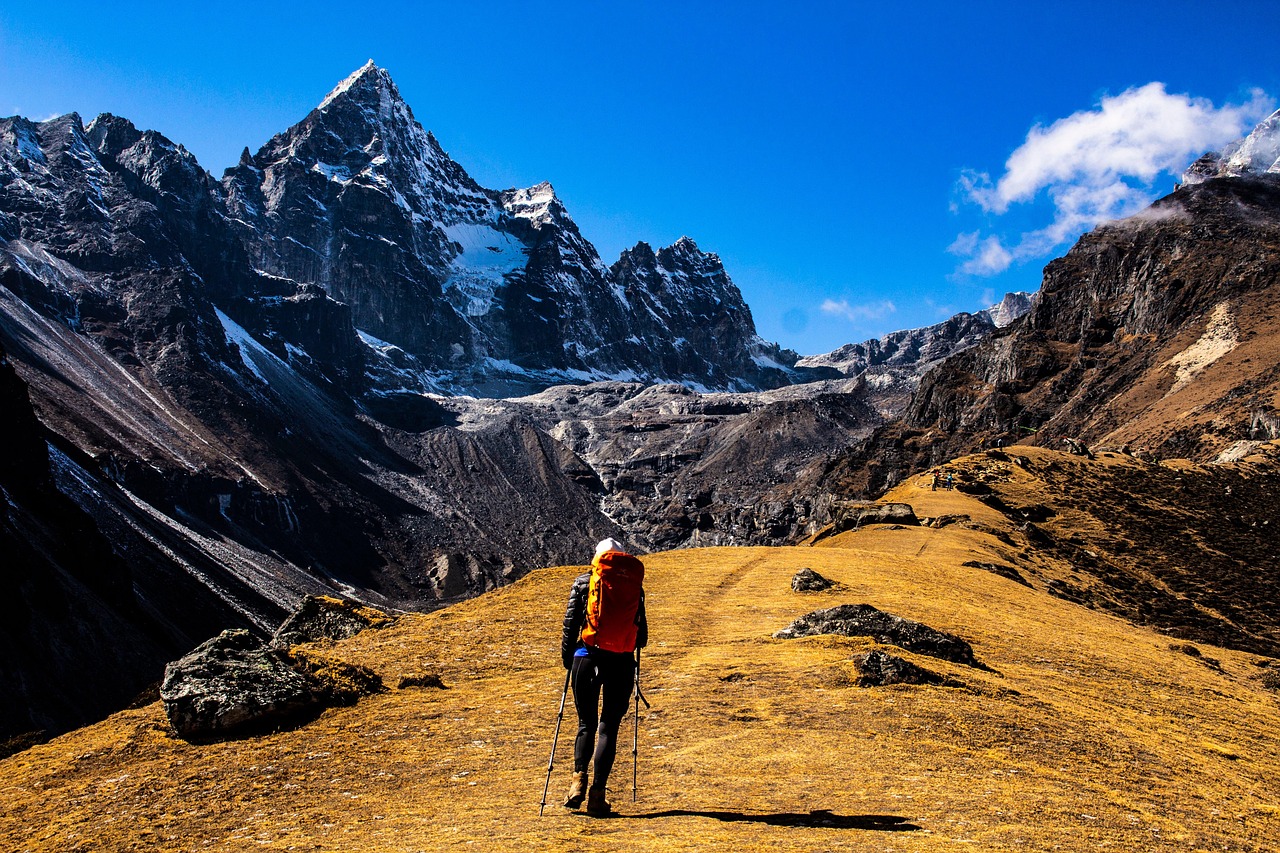
Multi-day trekking is an exhilarating experience that combines adventure, nature, and personal endurance. These treks take you beyond the beaten path, offering a profound connection with the wilderness and a chance to challenge yourself physically and mentally. Whether you’re traversing the rugged landscapes of Patagonia, the mystical trails of the Himalayas, or the scenic routes of the Appalachian Trail, multi-day trekking offers unparalleled opportunities for exploration and self-discovery.
Choosing Your Trail
Your journey begins with choosing the right trail. Consider your fitness level, trekking experience, and the type of environment you wish to explore. For beginners, opting for well-marked trails with moderate difficulty is advisable. Experienced trekkers might seek more challenging terrains.
Researching Trail Options
Research various trails that match your interests and capabilities. Popular options include the Inca Trail in Peru, the Torres del Paine Circuit in Chile, and the Annapurna Circuit in Nepal. Each trail offers unique landscapes, cultural experiences, and challenges.
Understanding Trail Conditions
Consider the time of year and weather conditions of your chosen trail. Some regions have specific trekking seasons due to weather patterns. For instance, the best time for trekking in Nepal is during the pre-monsoon (March to May) and post-monsoon (September to November) seasons.
Preparing Physically and Mentally
Multi-day trekking is physically demanding, and proper preparation is essential. Building your endurance, strength, and flexibility will enhance your trekking experience and reduce the risk of injury.
Physical Training
Engage in cardiovascular exercises like running, cycling, or swimming to build stamina. Strength training, focusing on your core, legs, and back, is crucial for carrying a backpack and navigating uneven terrain. Incorporate yoga or stretching routines to improve flexibility and reduce the risk of muscle strain.
Mental Preparation
Mental resilience is equally important. Prepare for the trek by setting realistic expectations and visualizing yourself overcoming challenges. Meditation and mindfulness practices can help you stay focused and calm during the trek.
Essential Gear and Packing Tips
Carrying the right gear can make or break your trekking experience. Packing light without compromising on essentials is key to a successful trek.
Clothing
Invest in moisture-wicking and quick-drying clothing. Layering is crucial to adapt to changing weather conditions. A waterproof and windproof jacket, thermal layers, and a hat and gloves are essential for colder environments.
Footwear
Choose sturdy, comfortable hiking boots with good ankle support. Break them in before your trek to avoid blisters. High-quality socks are also vital to keep your feet dry and reduce friction.
Backpack and Accessories
Select a well-fitting backpack with a capacity suitable for the length of your trek. Look for features like adjustable straps, a hip belt, and multiple compartments. Pack essentials like a first-aid kit, multi-tool, and trekking poles for added stability.
Navigation and Safety
Understanding your route and ensuring your safety are paramount during a multi-day trek. Equip yourself with navigation tools and knowledge to make informed decisions along the trail.
Maps and GPS Devices
Carry detailed maps and a reliable GPS device. Familiarize yourself with the route and key landmarks beforehand. In remote areas, consider a satellite phone or personal locator beacon for emergencies.
Safety Precautions
Inform someone about your itinerary and expected return date. Check weather forecasts and trail conditions regularly. Be aware of altitude sickness symptoms if trekking at high elevations and take necessary precautions.
Nourishment and Hydration
Maintaining energy levels and staying hydrated are crucial for endurance and overall well-being during a trek.
Meal Planning
Plan meals that are easy to prepare, lightweight, and nutritious. Dehydrated meals, energy bars, and trail mix are excellent options. Consider your dietary preferences and pack accordingly.
Hydration Strategies
Carry a reliable water purification system or tablets. Aim to drink at least two liters of water per day, more if trekking in hot conditions. Monitor your hydration levels by checking urine color and frequency.
Campsite Etiquette and Environmental Responsibility
Respecting the environment and practicing good campsite etiquette are crucial for preserving natural habitats and ensuring a positive experience for future trekkers.
Leave No Trace Principles
Adhere to the Leave No Trace principles by minimizing your impact on the environment. Pack out all trash, avoid disturbing wildlife, and stick to designated trails and campsites.
Campsite Selection
Choose established campsites to minimize your ecological footprint. Ensure your campsite is at least 200 feet away from water sources to prevent contamination. Consider the wind direction and terrain when setting up your tent.
Dealing with Challenges on the Trail
Encountering challenges is part of the trekking experience. Being prepared to handle them can make your journey more rewarding and memorable.
Weather Changes
Be adaptable to changing weather conditions. Always carry waterproof and windproof gear. If faced with severe weather, seek shelter and wait for conditions to improve before continuing.
Physical Discomfort and Injuries
Listen to your body and take breaks as needed. Address blisters and minor injuries promptly to prevent them from worsening. Carry a well-stocked first-aid kit and know basic first-aid procedures.
Conclusion: Embrace the Adventure
Multi-day trekking is a transformative experience that offers a unique blend of adventure, introspection, and natural beauty. By preparing adequately and respecting the trails and environment, you can conquer epic trails and create lasting memories. Whether you’re seeking solitude in nature or a shared adventure with fellow trekkers, the journey will challenge and inspire you in ways you never imagined.
#ChatGPT assisted in the creation of this article.
Share this content: