

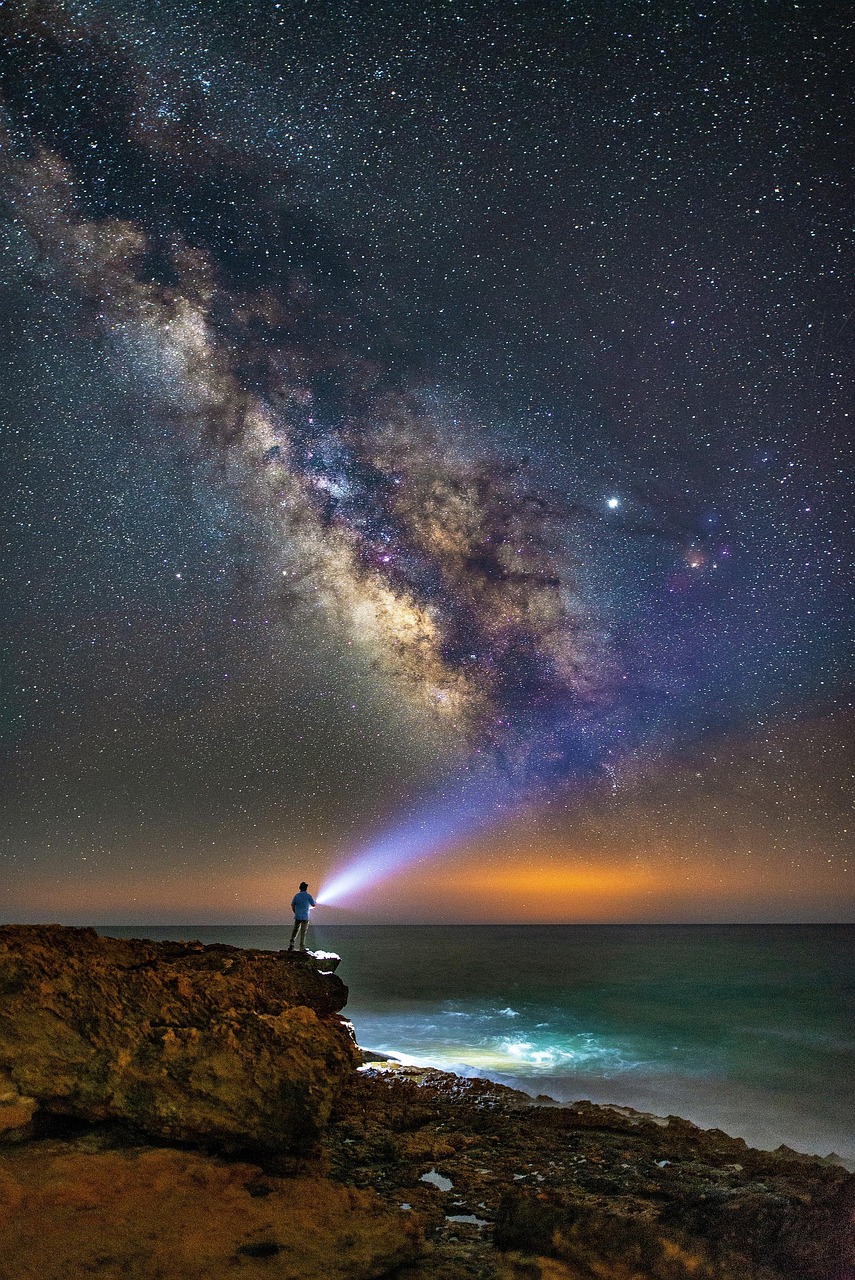
Night hunting is an exhilarating pursuit that offers unique challenges and rewards. When the sun sets, a different world awakens, and hunters are presented with opportunities to hunt nocturnal animals like wild boar, coyotes, and raccoons. However, it requires specialized equipment and skills to navigate the darkness effectively. One of the essential tools for any successful night hunter is a tactical flashlight.
The Importance of Tactical Flashlights
Tactical flashlights are more than just illumination tools; they are crucial for safety, navigation, and target identification. Unlike regular flashlights, tactical flashlights are designed with features that cater specifically to the needs of hunters, such as enhanced durability, brightness, and specialized beam options.
Key Features of Tactical Flashlights
Brightness and Beam Distance
The brightness of a tactical flashlight is measured in lumens. For night hunting, a flashlight with a lumen range between 500 to 1000 is ideal, as it provides ample illumination without overwhelming your vision or scaring away game. Beam distance is another critical factor; a focused beam can reach further distances, allowing you to spot animals without disturbing them.
Durability and Weather Resistance
Night hunting often takes place in challenging environments. Tactical flashlights are built to withstand rugged conditions, featuring durable materials like aircraft-grade aluminum and water-resistant or waterproof ratings (IPX7 or IPX8). A reliable flashlight should be able to endure drops, rain, and other adverse conditions.
Battery Life and Power Source
Long battery life is crucial for extended hunts. Tactical flashlights typically use either rechargeable lithium-ion batteries or disposable batteries. Rechargeable batteries are cost-effective and environmentally friendly, while disposable batteries can be convenient in situations where recharging is not feasible.
Operational Modes
Most tactical flashlights offer multiple modes, including high, medium, low, strobe, and SOS. These modes provide versatility in different situations. For instance, a low-light setting is useful for navigating without alerting game, while a strobe mode can disorient potential predators or threats.
Ease of Use
In the field, simplicity is key. A tactical flashlight should feature an intuitive interface that allows for quick and easy operation, even with gloves on. Tail switches or side switches should be easily accessible, and the transition between modes should be seamless.
Choosing the Right Tactical Flashlight for Hunting
Selecting the right tactical flashlight depends on various factors, including the type of game you are pursuing, the environment, and personal preferences.
Consider the Game
Different animals have varying sensitivity to light. For instance, hogs are less sensitive to red or green light, making flashlights with colored filters advantageous. Understanding the behavior of your target species can help in selecting the appropriate flashlight features.
Environmental Considerations
The hunting environment also plays a crucial role in flashlight selection. Dense forests may require a flashlight with a wider beam to illuminate large areas, while open fields might benefit from a flashlight with a longer beam distance.
Size and Weight
A compact and lightweight flashlight is preferable for hunters who need to move swiftly and quietly. However, ensure that the smaller size does not compromise the flashlight’s performance capabilities.
Integrating Tactical Flashlights into Your Hunting Strategy
A tactical flashlight is more than just a tool; it is a critical component of an effective night hunting strategy.
Navigation and Safety
Use your flashlight to safely navigate through unfamiliar terrain. A dim setting is often sufficient for walking and prevents scaring off nearby animals. It’s also important for identifying natural hazards and ensuring your safety.
Target Identification and Acquisition
Proper target identification is crucial in hunting. A tactical flashlight allows you to confirm your target before taking a shot, preventing mistakes and ensuring ethical hunting practices. Practice using your flashlight with your firearm to streamline the process of target acquisition.
Communication and Signaling
If hunting in a group, flashlights can be used for silent communication and signaling. Pre-established signals using the flashlight can facilitate coordination among team members without verbal communication.
Maintaining Your Tactical Flashlight
To ensure your tactical flashlight performs optimally during hunts, regular maintenance is necessary.
Cleaning and Storage
After each hunt, clean your flashlight to remove dirt and moisture. Use a soft cloth and avoid harsh chemicals that could damage the lens or the body. Store the flashlight in a cool, dry place, and remove the batteries if it will not be used for an extended period.
Regular Battery Checks
Check battery levels before each hunt and carry spare batteries or a portable charger if using rechargeable batteries. This ensures that your flashlight is always ready when needed.
Conclusion: Elevating Your Night Hunting Experience
Maximizing night hunts with tactical flashlights involves understanding the features that enhance your hunting experience and integrating them into your overall strategy. By choosing the right flashlight, practicing its use, and maintaining it properly, you can elevate your night hunting adventures to new heights. With the advantage of a tactical flashlight, the cover of darkness transforms from a challenge into an asset, allowing you to explore and succeed in the thrilling world of night hunting.
#ChatGPT assisted in the creation of this article.
Share this content: