Top Adventure Travel Safety Tips for Thrill Seekers
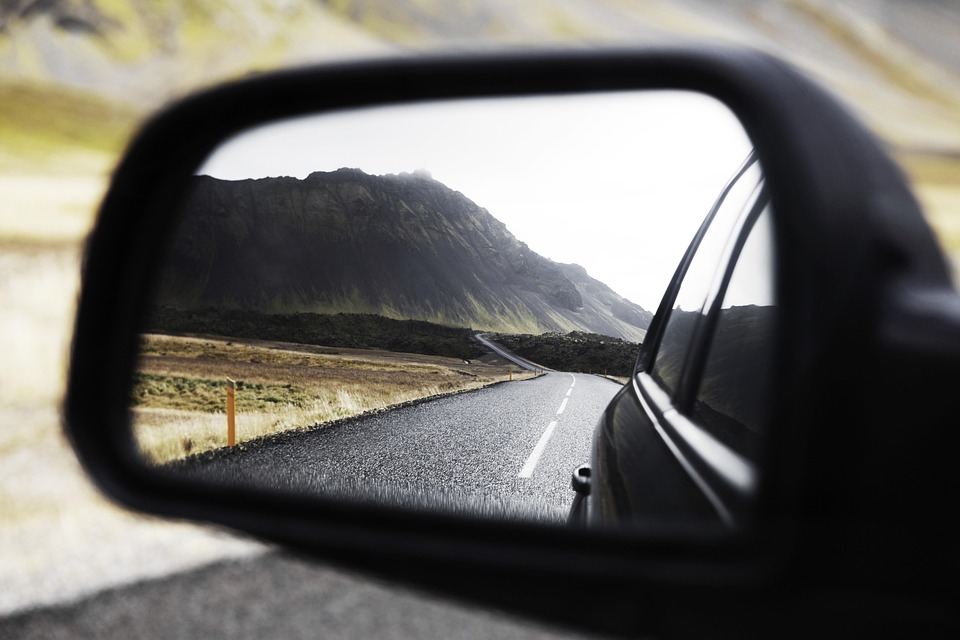
Adventure travel is an exhilarating way to explore the world, offering adrenaline-pumping experiences that range from skydiving over stunning landscapes to trekking through dense jungles. However, the thrill of adventure travel comes with its own set of unique risks. To ensure your adventures are as safe as they are thrilling, it’s essential to be well-prepared and informed. Here are some top safety tips for thrill-seekers embarking on their next adventure travel journey.
Research and Plan Thoroughly
Before embarking on any adventure travel, thorough research and planning are essential. Understanding the destination, its culture, climate, and potential hazards can make a significant difference in your safety.
Understand the Terrain
Whether you’re hiking, climbing, or skiing, understanding the terrain is crucial. Study maps, read guidebooks, and consult with local experts or guides to gain insights into the area’s topography, weather conditions, and any known risks.
Check Weather Conditions
Weather can dramatically impact the safety of your adventure. Check the forecast for your destination and time of year. Be prepared for sudden changes, especially in mountainous or remote areas where weather can be unpredictable.
Know Local Laws and Customs
Familiarize yourself with the local laws and customs of your destination. This knowledge not only helps you avoid legal troubles but also ensures respectful interactions with local communities.
Choose the Right Gear
Your gear is one of your most important safety nets. It’s crucial to have the right equipment that is appropriate for the specific adventure activity you’re undertaking.
Invest in Quality Equipment
Quality gear can make a life-saving difference. Research reputable brands and read reviews to ensure your equipment is reliable. Whether it’s a helmet for rock climbing or a life jacket for whitewater rafting, never compromise on quality.
Pack Necessary Supplies
Pack essential supplies, including a first-aid kit, navigation tools (like maps or a GPS device), and emergency contact information. Ensure you have enough food, water, and weather-appropriate clothing for the entire duration of your adventure.
Test Your Gear
Before you set off, test all your gear to ensure it’s in good working condition. This is especially important for technical equipment like climbing ropes, harnesses, and personal flotation devices.
Prioritize Physical and Mental Preparedness
Your own physical and mental condition is as important as your gear. Being in peak condition helps you handle the challenges of adventure travel.
Get in Shape
Engage in a fitness routine tailored to the physical demands of your planned activities. Strength, endurance, and flexibility can greatly enhance your ability to handle unexpected situations.
Practice Mental Resilience
Adventures can be mentally taxing. Practice stress management techniques, such as meditation or visualization, to stay calm in challenging situations. Mental resilience is crucial when facing unexpected obstacles.
Travel with a Guide or Group
Solo adventures can be rewarding, but traveling with a guide or group can significantly enhance your safety.
Hire a Certified Guide
If you’re unfamiliar with the area or the activity, consider hiring a certified guide. A knowledgeable guide can offer invaluable insights, ensure you follow safe practices, and help in case of emergencies.
Travel with a Group
There’s safety in numbers. Traveling with a group can provide support, shared resources, and assistance during emergencies. Make sure to communicate clearly with your group and establish check-in procedures.
Stay Connected
In remote areas, staying connected can be challenging but crucial for safety.
Use Reliable Communication Tools
Carry a reliable communication device, such as a satellite phone or a personal locator beacon (PLB), especially in areas with limited cell coverage. These tools can be lifesavers in emergencies.
Share Your Itinerary
Before you leave, share your itinerary with someone you trust. Include details about your route, expected return time, and emergency contacts. Regular check-ins can also help ensure someone is aware of your whereabouts.
Respect Nature and Wildlife
Adventuring often means entering the domain of wildlife. Respecting nature and wildlife is not only ethical but also crucial for safety.
Keep a Safe Distance
Always maintain a safe distance from wildlife. Animals can be unpredictable, and approaching them can pose serious risks. Use binoculars or zoom lenses to observe wildlife without disturbing them.
Leave No Trace
Practice the Leave No Trace principles to minimize your impact on the environment. This includes packing out all trash, respecting wildlife, and sticking to established trails to prevent habitat disruption.
Prepare for Emergencies
No matter how well-prepared you are, emergencies can still occur. Having a plan can make a significant difference in the outcome.
Know Basic First Aid
Enroll in a basic first aid course before your trip. Understanding how to treat common injuries and recognizing signs of serious conditions like hypothermia or dehydration can be crucial.
Have an Emergency Plan
Establish an emergency plan that includes evacuation routes, local emergency contact numbers, and a list of nearby medical facilities. Make sure your travel companions are aware of the plan.
Trust Your Instincts
Finally, always trust your instincts. If something doesn’t feel right, whether it’s a weather condition or an aspect of the terrain, don’t hesitate to change your plans.
Listen to Your Gut
Your instincts are often based on subconscious cues that you might not be immediately aware of. If you feel uneasy about a situation, it’s better to err on the side of caution.
Be Flexible
Flexibility can enhance your safety. Be ready to adapt your plans in response to changing conditions or new information. Sometimes the best decision is to turn back or seek an alternative route.
In conclusion, the thrill of adventure travel is unparalleled, but safety should always be your top priority. By researching your destination, preparing physically and mentally, choosing the right gear, and respecting the natural environment, you can ensure your adventures are both exhilarating and safe. Remember, the goal is to return home with memories of thrilling experiences, not avoidable mishaps. Stay safe, stay informed, and enjoy the journey!
#ChatGPT assisted in the creation of this article.
Share this content:


Post Comment