Master Hiking Photography: Essential Tips for Stunning Shots

Introduction
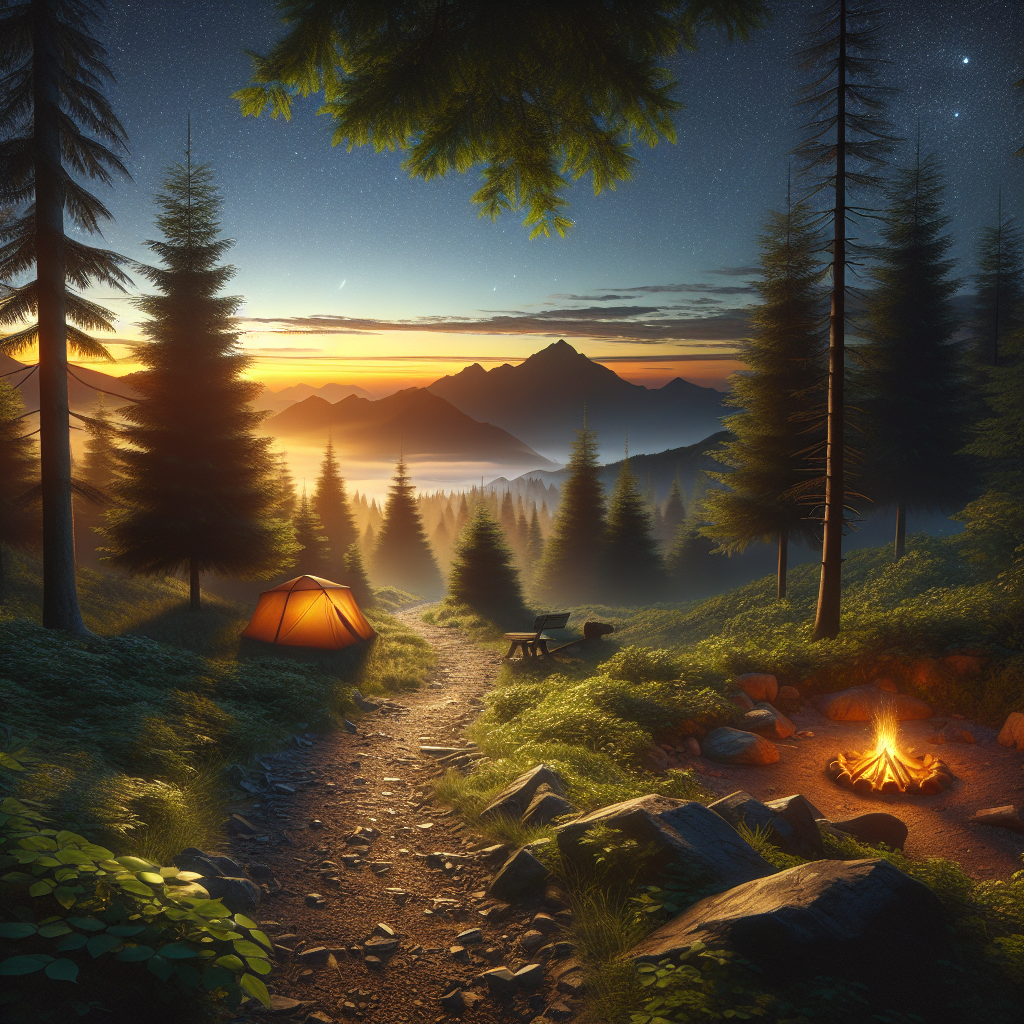
Hiking photography is an exhilarating way to capture the breathtaking beauty of nature. With landscapes that range from towering mountains to serene forests, the opportunities for stunning shots are abundant. However, mastering hiking photography requires more than just a good eye; it involves understanding your equipment, knowing how to compose a shot, and being prepared for the challenges that come with capturing images in the great outdoors. This article provides essential tips to help you take your hiking photography to the next level.
Understand Your Equipment
Before embarking on your hiking adventure, it’s crucial to familiarize yourself with your camera equipment. Whether you’re using a high-end DSLR, a mirrorless camera, or a smartphone, understanding the capabilities and limitations of your device will enhance your photography.
Choose the Right Camera
While DSLRs and mirrorless cameras offer superior image quality and greater control over settings, they can be bulky and heavy. A lightweight mirrorless camera can be a good compromise, offering both portability and high-quality output. For those who prefer traveling light, modern smartphones boast impressive cameras capable of capturing stunning images.
Understand Your Lenses
For landscape photography, a wide-angle lens is often preferred as it captures a broader field of view, allowing you to include more of the scene. However, don’t underestimate the power of a telephoto lens for capturing distant subjects such as wildlife or compressing the perspective to emphasize the scale of a scene.
Invest in a Sturdy Tripod
A tripod is an essential piece of gear for hiking photography, especially when shooting in low light or attempting long exposures. Opt for a lightweight and compact tripod that can be easily strapped to your backpack without adding too much weight.
Master Composition
Composition is the art of arranging elements within a frame to create a harmonious and aesthetically pleasing image. Mastering composition involves understanding several key principles.
Rule of Thirds
The rule of thirds is a fundamental guideline in photography. Imagine dividing your image into nine equal parts with two equally spaced horizontal lines and two vertical lines. Positioning your subject or important elements along these lines or their intersections can create a more balanced and engaging composition.
Leading Lines
Leading lines guide the viewer’s eye through the photograph and can add depth and interest to your images. Roads, rivers, trails, and even shadows can serve as leading lines that draw attention to the focal point of your scene.
Foreground, Middle Ground, and Background
Incorporating distinct layers into your composition adds depth to your photographs. Include elements in the foreground, middle ground, and background to create a sense of scale and draw the viewer into the scene.
Capture the Right Light
Lighting can make or break a photograph, and understanding how to work with natural light is crucial in hiking photography.
Golden Hour
The golden hour, which occurs shortly after sunrise and before sunset, bathes the landscape in warm, soft light. This time of day often provides the best conditions for capturing stunning outdoor photos, with elongated shadows and vibrant colors.
Blue Hour
The blue hour, occurring before sunrise and after sunset, offers a different but equally captivating light. The soft, diffused light during this period creates a serene and mystical atmosphere, perfect for capturing tranquil landscapes.
Overcast Days
While bright, sunny days might seem ideal, overcast weather can be advantageous for landscape photography. Cloud cover acts as a natural diffuser, softening shadows and reducing harsh contrasts, resulting in more even lighting.
Be Prepared for the Elements
Hiking photography involves dealing with unpredictable weather and challenging terrain. Being prepared can make the difference between a successful shoot and a missed opportunity.
Pack Weather-Appropriate Gear
Dress in layers and bring weather-resistant clothing to protect yourself from the elements. A rain cover for your camera and backpack is also essential to keep your equipment dry.
Stay Hydrated and Energized
Carrying snacks and sufficient water is crucial to maintain energy levels during long hikes. Staying hydrated and well-nourished ensures you’re in the best condition to focus on your photography.
Know Your Route
Research your hiking trail beforehand to understand the terrain and identify potential photography spots. Familiarize yourself with the route to ensure you’re prepared for any challenges you might encounter along the way.
Experiment with Techniques
Once you have a grasp of the basics, don’t be afraid to experiment with different techniques to add variety and creativity to your hiking photography.
Long Exposure
Using a tripod, try long exposure photography to capture motion in your images. This technique is particularly effective for photographing waterfalls, streams, or clouds, adding a dynamic element to your scenes.
Panoramic Shots
Panoramic photography allows you to capture sweeping landscapes in one frame. Many cameras and smartphones have a panoramic mode, enabling you to stitch together multiple shots for a wider field of view.
Focus Stacking
Focus stacking involves taking multiple shots at different focus distances and combining them to achieve a greater depth of field. This technique is useful for ensuring sharpness from the foreground to the background, especially in macro or landscape photography.
Post-Processing for Perfection
Post-processing is an essential step in modern photography, allowing you to refine and enhance your images.
Editing Software
Familiarize yourself with editing software like Adobe Lightroom or Photoshop. These tools offer a range of features for adjusting exposure, contrast, colors, and more, helping you bring your vision to life.
Maintain Natural Aesthetics
While editing can enhance your images, be mindful of maintaining a natural look. Over-editing can lead to unrealistic colors and loss of detail, detracting from the authenticity of your photos.
Conclusion
Mastering hiking photography is a rewarding journey that combines technical skill with artistic vision. By understanding your equipment, mastering composition, capturing the right light, and being prepared for the elements, you can create stunning images that capture the essence of your outdoor adventures. Remember to experiment with different techniques and use post-processing to enhance your photos while maintaining their natural beauty. With practice and patience, your hiking photography will reach new heights, allowing you to share the awe-inspiring beauty of nature with the world.
#ChatGPT assisted in the creation of this article.
Share this content:


Post Comment