

Certainly! Please provide the original title that you would like the article to be based on, and I will craft a 2000-word article for you.
Introduction
Embarking on a wilderness hiking adventure can be a transformative experience, offering the chance to connect deeply with nature and challenge oneself physically and mentally. For beginners, however, the idea of setting off into the untamed outdoors can be daunting. Fear not. With the right preparation, knowledge, and mindset, anyone can master wilderness hiking. This guide provides essential tips for beginners to ensure a safe, enjoyable, and memorable experience.
Understanding the Basics of Wilderness Hiking
Before setting foot on a trail, it’s important to understand what wilderness hiking entails. Unlike urban or suburban trails, wilderness hiking generally involves more rugged terrain, less accessibility, and fewer amenities. It demands self-sufficiency and an increased awareness of one’s surroundings.
Choose the Right Trail
Start by selecting a trail that matches your fitness level and experience. Research local trails online or use apps like AllTrails or Gaia GPS to find beginner-friendly hikes. Look for trails with clearly marked paths, moderate elevation changes, and a manageable distance. As you gain confidence and skill, you can gradually tackle more challenging routes.
Understand Leave No Trace Principles
Respect for the environment is paramount in wilderness hiking. Familiarize yourself with the Leave No Trace principles, which include planning ahead, traveling on durable surfaces, disposing of waste properly, leaving what you find, minimizing campfire impacts, respecting wildlife, and being considerate of other visitors. These principles ensure the natural beauty of hiking areas is preserved for future generations.
Essential Gear for Wilderness Hiking
The right gear is crucial for a successful hiking experience. While it’s tempting to pack light, certain items are indispensable.
Clothing and Footwear
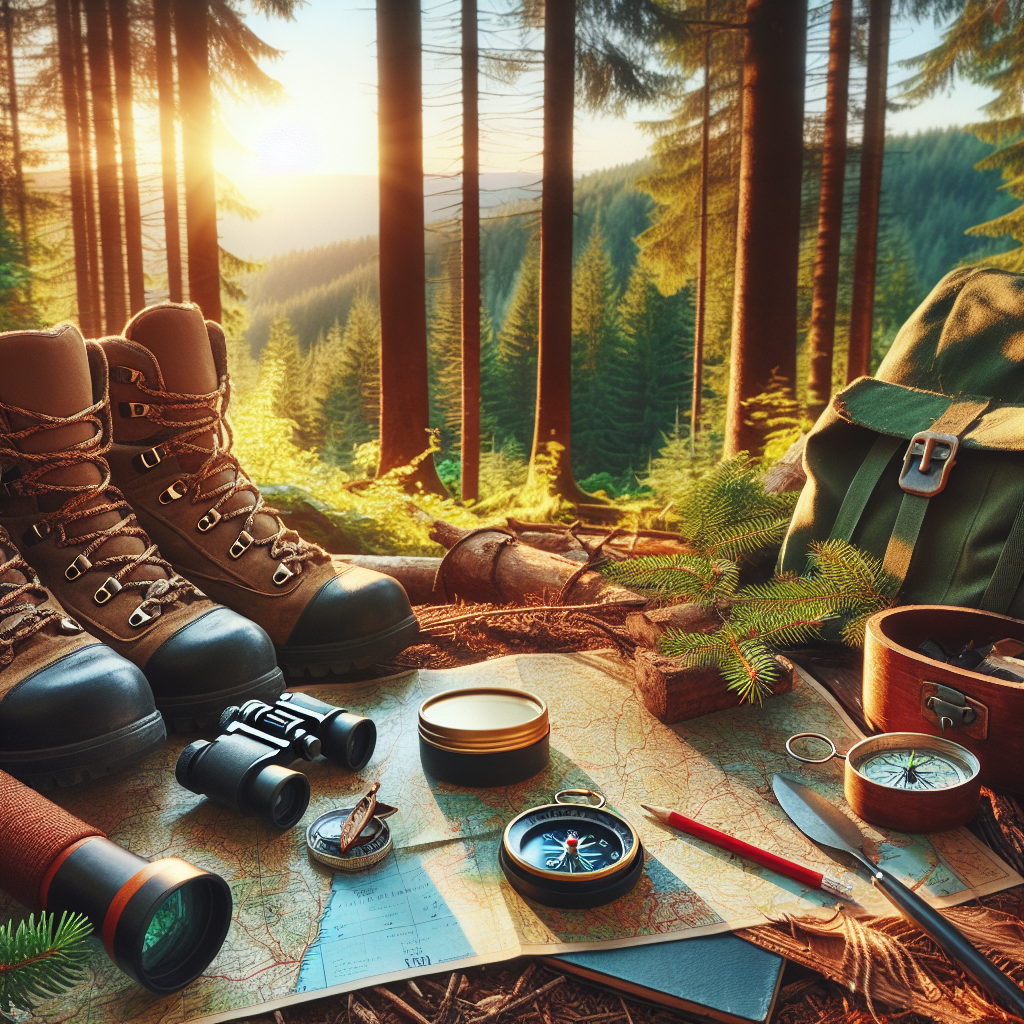
Dress in layers to accommodate varying weather conditions. Start with moisture-wicking base layers, add insulating layers like fleece or down, and top it off with a waterproof and windproof outer layer. Avoid cotton as it retains moisture and takes a long time to dry. For footwear, invest in a good pair of hiking boots or shoes that provide support and have a solid grip. Break them in before hitting the trail to avoid blisters.
Backpack Essentials
A well-packed backpack can make or break your hiking experience. Key items include:
– **Navigation Tools**: Maps, compass, or a GPS device to avoid getting lost.
– **Hydration**: Carry enough water for the entire hike and consider a water filter or purification tablets if you’re hiking near water sources.
– **Nutrition**: Pack high-energy snacks like nuts, granola bars, and dried fruit.
– **First Aid Kit**: Include band-aids, antiseptic wipes, blister treatment, and any personal medications.
– **Safety Gear**: A multi-tool, whistle, and flashlight or headlamp with extra batteries.
– **Weather Protection**: Sunscreen, sunglasses, and a hat for sun protection; an emergency blanket for unexpected cold weather.
Preparing for Your Hiking Adventure
Preparation is key to a successful hiking trip. It involves both physical and logistical planning.
Physical Preparation
Hiking requires a certain level of physical fitness, especially on more demanding trails. Begin training several weeks before your hike by going on shorter walks or jogs, gradually increasing distance and elevation. Strengthen your core and leg muscles with exercises like squats, lunges, and planks to improve your endurance and balance on the trail.
Planning and Research
Research the trail and surrounding area thoroughly. Check weather forecasts and trail conditions close to your hiking date. Inform someone of your plans, including your route and expected return time. This ensures that someone will know where to find you in case of an emergency.
Safety Considerations
Safety should always be a priority when hiking in the wilderness.
Understand Your Limitations
Know your physical limits and don’t push beyond them. Fatigue can lead to accidents and injuries. If you start to feel tired or unwell, take a break or turn back. There’s no shame in prioritizing safety over reaching a destination.
Wildlife Awareness
Familiarize yourself with the wildlife in the area. Understand how to react if you encounter animals like bears or snakes. Carry bear spray where appropriate and make noise while hiking to avoid surprising animals. Store food and scented items securely to prevent attracting wildlife.
Weather Preparedness
Weather in wilderness areas can change rapidly. Be prepared for all conditions by packing versatile clothing and gear. If the weather becomes severe, such as thunderstorms or high winds, find shelter or head back to safety. Always have an emergency plan.
Building Hiking Skills
As you gain experience, you’ll develop essential hiking skills that improve your efficiency and enjoyment on the trail.
Navigation Skills
While GPS devices are handy, learning to read a map and use a compass is invaluable. Attend a navigation course or practice in a familiar area to hone these skills. Being able to orient yourself without relying on technology is a critical safety skill.
Pacing and Energy Management
Find a comfortable pace that you can maintain for the duration of your hike. Take regular breaks to rest and refuel. Listen to your body and adjust your pace according to the terrain and your energy levels.
Enhancing the Wilderness Experience
Hiking is not just about reaching a destination; it’s about enjoying the journey and the environment around you.
Mindfulness and Observation
Take time to observe your surroundings, from the details of a leaf to the vastness of a mountain view. Practice mindfulness by focusing on your senses—the sound of the wind, the smell of pine trees, or the feel of the earth beneath your feet. This enriches your connection to nature and enhances the hiking experience.
Photography and Journaling
Document your journey with photographs or a journal. This not only creates lasting memories but also encourages you to notice and appreciate the details of your hike. Share your experiences with friends and family to inspire them to explore the wilderness.
Joining the Hiking Community
Hiking is more enjoyable when shared with others.
Find a Hiking Group
Join local hiking clubs or online communities to connect with other hikers. Group hikes are a great way to learn from experienced hikers, share stories, and make new friends. They also provide a safety net, as there is strength in numbers when navigating wilderness trails.
Attend Workshops and Events
Participate in workshops or events focused on hiking skills, wilderness survival, or environmental conservation. These can expand your knowledge and skills while connecting you with like-minded individuals.
Conclusion
Wilderness hiking is a rewarding activity that requires preparation, respect for nature, and a spirit of adventure. By following these essential tips, beginners can embark on their hiking journeys with confidence. Remember to prioritize safety, respect the environment, and savor every moment on the trail. With time and experience, you’ll not only master the art of hiking but also foster a lifelong connection with the natural world. Happy hiking!
Share this content: