

The Evolution of Technology: A Journey Through Time
Introduction
In the modern era, technology pervades every aspect of our lives, from the smartphones we carry in our pockets to the advanced algorithms that drive global commerce. However, the omnipresence of technology is a relatively recent phenomenon. To truly appreciate its impact, it’s essential to understand the historical journey of technology and how it has shaped human civilization across different eras.
The Dawn of Technology
The concept of technology begins with the earliest human tools, dating back to the Stone Age. During this period, our ancestors crafted simple tools from stone, bone, and wood, laying the groundwork for technological advancement. These primitive tools facilitated everyday tasks such as hunting and food preparation, marking the initial step in the human quest to manipulate and control our environment.
The Agricultural Revolution
The transition from nomadic lifestyles to settled agricultural communities radically transformed human societies. The invention of farming tools like the plow enabled more efficient cultivation of land, leading to surplus food production. This surplus supported population growth and the establishment of permanent settlements, setting the stage for the development of complex societies.
The Classical Age of Invention
The classical civilizations, particularly those of Greece and Rome, saw significant technological advancements. Innovations such as the aqueducts, roads, and advanced metallurgy enhanced infrastructure and daily life. Greek philosophers and engineers, such as Archimedes and Hero of Alexandria, laid the groundwork for future scientific exploration with their mechanical inventions and theoretical insights.
The Middle Ages: A Period of Transformation
The Middle Ages, often labeled as a period of stagnation, were, in fact, a time of significant technological progression. The invention of the heavy plow and the horse collar revolutionized agriculture in Europe. The windmill and watermill emerged as critical sources of power, while the compass and improvements in shipbuilding expanded the horizons of exploration. This period also saw the proliferation of the printing press, invented by Johannes Gutenberg, which transformed the dissemination of knowledge and paved the way for the Renaissance.
The Renaissance and the Age of Discovery
The Renaissance era was characterized by a resurgence of learning and innovation, driven by a renewed interest in science and exploration. Navigational instruments such as the astrolabe and sextant, coupled with advancements in shipbuilding, enabled explorers like Christopher Columbus and Ferdinand Magellan to undertake their momentous voyages. This era also witnessed significant advances in art and science, with figures like Leonardo da Vinci and Galileo Galilei pushing the boundaries of knowledge and creativity.
The Industrial Revolution: A Technological Leap
The Industrial Revolution, spanning the late 18th and early 19th centuries, marked a profound shift in technology and society. The steam engine, developed by James Watt, powered factories, locomotives, and ships, transforming industry and transportation. Textile machinery, such as the spinning jenny and power loom, revolutionized manufacturing, while the telegraph enabled instantaneous communication over long distances. This era of rapid industrialization and urbanization laid the foundation for the modern world.
The 20th Century: A Century of Innovation
The 20th century was a period of unprecedented technological advancement. The invention of the airplane by the Wright brothers and the development of the automobile by innovators like Henry Ford revolutionized transportation. The rise of electricity and the light bulb, pioneered by Thomas Edison, transformed cities and homes. The discovery of penicillin by Alexander Fleming marked a breakthrough in medicine, saving countless lives.
The latter half of the century saw the birth of the digital age. The development of computers, from the early machines like ENIAC to the personal computers of the 1980s, revolutionized information processing. The internet, originating from projects like ARPANET, transformed global communication and commerce, leading to the interconnected world we live in today.
The 21st Century: The Digital Age and Beyond
As we progress into the 21st century, technology continues to advance at an exponential rate. The rise of artificial intelligence and machine learning is reshaping industries and challenging our understanding of work and creativity. Smartphones and mobile technology have become ubiquitous, putting the power of computing into the hands of billions worldwide.
Technological advancements in renewable energy, such as solar and wind power, are addressing global challenges like climate change. Biotechnology and genetic engineering hold the potential to revolutionize medicine and agriculture, promising solutions to some of humanity’s most pressing problems.
The Impact of Technology on Society
While technological advancements have brought immense benefits, they also pose significant challenges. The digital divide highlights disparities in access to technology, affecting education and economic opportunities. Privacy concerns and cybersecurity threats have emerged as critical issues in the digital age, necessitating robust policies and ethical considerations.
The Future of Technology
Looking ahead, the future of technology is both exciting and uncertain. Developments in quantum computing, space exploration, and nanotechnology promise to push the boundaries of what is possible. However, these advancements also raise ethical and societal questions that require careful consideration.
As artificial intelligence becomes more integrated into daily life, questions about its impact on employment, privacy, and decision-making will become increasingly important. The potential for technology to address global challenges, such as climate change and health crises, must be balanced with considerations of equity and sustainability.
Conclusion
From the simplest stone tools to the most advanced digital innovations, the evolution of technology is a testament to human ingenuity and adaptability. As we continue to push the boundaries of what is possible, it is essential to navigate the challenges and opportunities that technology presents with foresight and responsibility. The journey of technology is far from over, and the choices we make today will shape the world of tomorrow, ensuring that technology serves as a force for good in the pursuit of a better future for all humanity.
Introduction
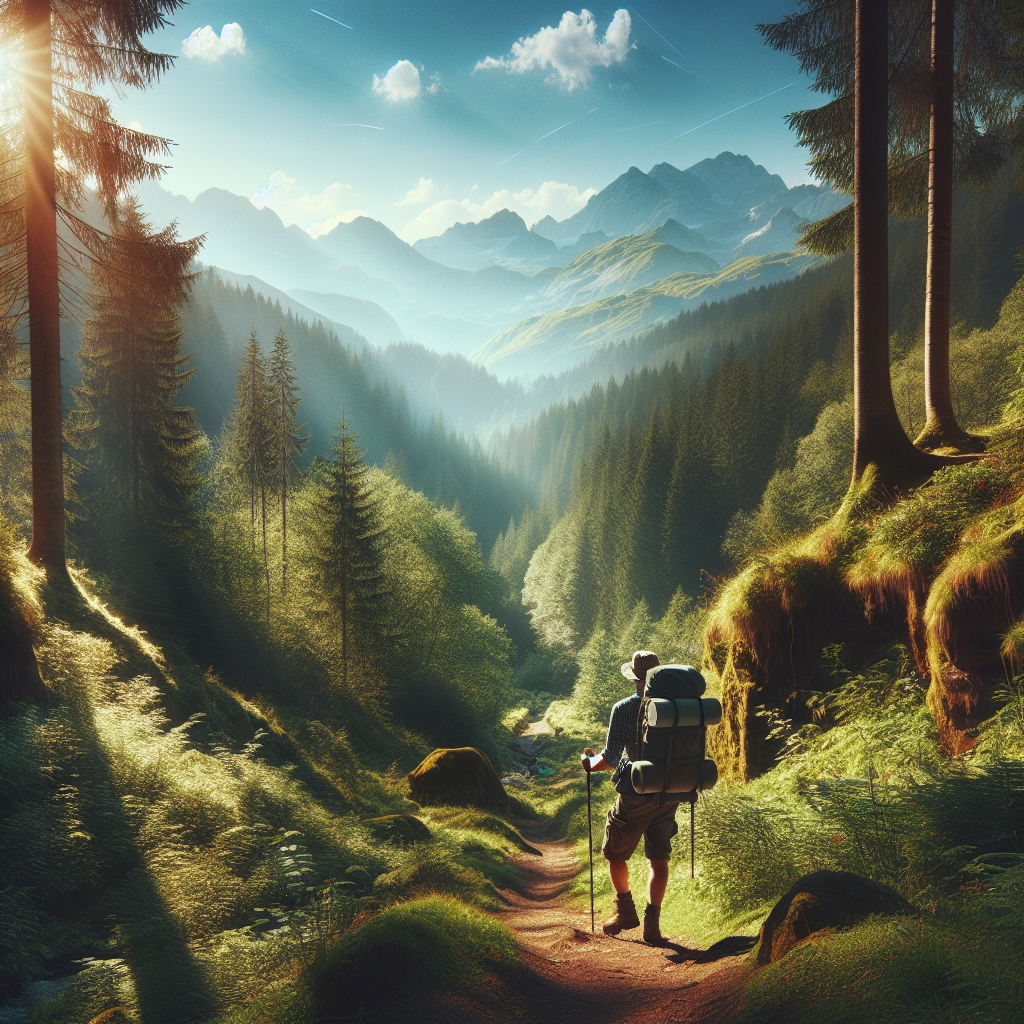
Summer is a fantastic season for hiking enthusiasts. The long days, warmer weather, and vibrant nature create the perfect setting for outdoor adventures. However, summer hiking also presents unique challenges, such as high temperatures, increased sun exposure, and more foot traffic on trails. To ensure a safe and enjoyable summer hiking experience, it is crucial to be well-prepared. This article outlines essential summer hiking tips that will help you make the most of your adventure while staying safe and comfortable.
Plan Your Hike
Research the Trail
Before heading out, gather as much information as possible about the trail you plan to hike. Consider the trail’s difficulty, length, elevation gain, and terrain. Websites, guidebooks, and local ranger stations can provide valuable insights into current trail conditions, weather forecasts, and any potential hazards. Understanding what to expect will help you prepare adequately and avoid unpleasant surprises.
Know the Weather
Check the weather forecast for the area you will be hiking in. Summer weather can be unpredictable, with sudden thunderstorms or extreme heat. Knowing the forecast will allow you to pack appropriate clothing and gear. Be prepared for changing conditions, and have a contingency plan if the weather turns unfavorable.
Inform Someone of Your Plans
Always let someone know your hiking plans, including your expected return time. This precaution ensures that someone can alert authorities if you don’t return as expected, enhancing your safety.
Prepare the Right Gear
Clothing
Dress in moisture-wicking, breathable fabrics to help regulate body temperature and keep sweat at bay. Lightweight, light-colored clothing can reflect sunlight and minimize heat absorption. A wide-brimmed hat and sunglasses will protect you from the sun, while a lightweight, long-sleeved shirt can provide additional coverage. Don’t forget a rain jacket for unexpected showers.
Footwear
Choose comfortable, well-fitting hiking boots or shoes with good traction. The right footwear will provide support and prevent blisters, which can quickly turn a pleasant hike into a painful experience. Consider the terrain of your hike when selecting your footwear, and break in new shoes before embarking on longer treks.
Backpack Essentials
Pack a well-organized backpack with essentials such as water, snacks, a first aid kit, a map and compass or GPS, a multi-tool, a flashlight or headlamp, sunscreen, and insect repellent. These items will help you stay nourished, navigate safely, and protect yourself from the elements and wildlife.
Stay Hydrated and Nourished
Bring Enough Water
Hydration is critical during summer hikes. Bring plenty of water, considering the length and intensity of your hike. A hydration pack or water bottles can make it easier to drink on the go. As a general rule, plan for at least half a liter of water per hour of hiking, but adjust based on temperature and exertion level.
Electrolytes
Sweating during summer hikes can lead to a loss of electrolytes, which are essential for muscle function and hydration. Consider bringing electrolyte tablets or drinks to maintain a healthy balance, especially on longer hikes.
Snacks
Pack energy-boosting snacks such as nuts, dried fruit, energy bars, or jerky. These will provide quick energy and keep you fueled throughout your hike. Eating small amounts regularly helps maintain energy levels and supports hydration.
Sun Protection
Sunscreen
Apply a broad-spectrum sunscreen with an SPF of at least 30 before your hike, and reapply every two hours or more frequently if you are sweating. Don’t forget areas like the back of your neck, ears, and hands, which are often exposed to the sun.
Hats and Sunglasses
Protect your eyes and face with sunglasses that offer UV protection and a hat with a wide brim. These accessories will shield you from harmful UV rays and reduce glare, making it easier to see the trail and enjoy the view.
Wildlife and Insect Awareness
Respect Wildlife
Summer is a busy time for wildlife, so be aware of your surroundings and respect the animals you may encounter. Keep a safe distance, do not feed wildlife, and store food securely to avoid attracting animals to your campsite or picnic area.
Insect Repellent
Bugs like mosquitoes and ticks are more active in the summer. Apply insect repellent containing DEET or another EPA-approved ingredient to exposed skin and clothing. Wear long sleeves and pants to minimize exposure, and check for ticks after your hike.
Safety and Navigation
Stick to Marked Trails
Staying on designated trails is crucial for both your safety and the preservation of the natural environment. Venturing off-trail can lead to getting lost or encountering hazardous terrain. Follow trail markers and use your map or GPS to stay on course.
Be Aware of Your Limitations
Know your physical limits and choose a trail that matches your fitness level. Overestimating your abilities can lead to exhaustion or injury. Take breaks as needed and listen to your body.
Leave No Trace
Minimize Impact
Follow Leave No Trace principles to help preserve the natural beauty of hiking areas. Pack out all trash, avoid picking plants, and stay on established trails to minimize your impact on the environment. By respecting nature, you ensure that others can enjoy it too.
Conclusion
Summer hiking is a rewarding way to connect with nature and enjoy the great outdoors. By planning ahead, packing the right gear, and being mindful of your surroundings, you can ensure a safe and enjoyable hiking experience. Keep these essential tips in mind as you embark on your summer adventures, and you’ll be well-prepared to tackle any trail. Happy hiking!
Share this content: