

The Future of Renewable Energy: A Comprehensive Overview
The global energy landscape is undergoing a transformative shift, driven by the urgent need to address climate change, reduce carbon emissions, and transition to sustainable energy sources. Renewable energy, which includes solar, wind, hydroelectric, biomass, and geothermal power, is at the forefront of this transformation. This article explores the current state and future prospects of renewable energy, its benefits and challenges, and the technological innovations driving its growth.
The Rise of Renewable Energy
Renewable energy has experienced significant growth over the past few decades. According to the International Energy Agency (IEA), renewables accounted for nearly 29% of global electricity generation in 2020, up from just 18% in 2000. This growth is largely attributed to technological advancements, policy support, and increasing cost-competitiveness.
The Paris Agreement, adopted in 2015, marked a pivotal moment for renewable energy. By setting ambitious targets to limit global warming to well below 2 degrees Celsius, it accelerated investments in clean energy technologies. Countries around the world are now setting their own renewable energy goals, aiming to decarbonize their energy systems.
Solar Power: Harnessing the Sun’s Potential
Solar energy is one of the most abundant and accessible sources of renewable energy. Photovoltaic (PV) technology, which converts sunlight into electricity using solar cells, has seen rapid advancements. The cost of solar panels has plummeted by more than 80% over the past decade, making solar power increasingly affordable for both residential and commercial applications.
Utility-scale solar farms and distributed solar systems, such as rooftop installations, are becoming more prevalent. Technological innovations, such as bifacial panels that capture sunlight from both sides, and the use of solar tracking systems, have further enhanced the efficiency and output of solar installations.
The future of solar energy looks promising, with research focused on improving the efficiency of solar cells, developing energy storage solutions, and integrating solar power with smart grids. Additionally, solar energy’s potential to provide off-grid solutions in remote areas can significantly improve energy access and reduce reliance on fossil fuels.
Wind Energy: Capturing the Power of the Wind
Wind energy has emerged as a leading source of renewable power, with onshore and offshore wind farms contributing to a significant portion of global electricity generation. Advances in turbine technology have led to the development of larger and more efficient wind turbines, capable of generating more electricity at lower costs.
Offshore wind farms, in particular, are gaining traction due to their ability to harness stronger and more consistent winds. Countries with extensive coastlines, such as the UK, Germany, and China, are investing heavily in offshore wind projects. Floating wind farms, which can be deployed in deeper waters, are also being explored as a way to expand wind energy capacity.
The integration of artificial intelligence (AI) and the Internet of Things (IoT) in wind energy systems is enhancing predictive maintenance and optimizing energy output. As technology continues to evolve, wind energy is poised to play a crucial role in the global energy transition.
Hydroelectric Power: Tapping into Water’s Energy
Hydroelectric power is one of the oldest and most established forms of renewable energy. It accounts for the largest share of renewable electricity generation worldwide. Hydropower plants, which use the energy of flowing water to generate electricity, offer a reliable and consistent power supply.
While large-scale hydroelectric projects can have significant environmental and social impacts, such as habitat disruption and displacement of communities, small-scale and run-of-the-river projects present more sustainable alternatives. These projects have minimal ecological footprints and can provide power to remote and underserved areas.
Innovations in pumped storage hydropower, which stores energy by pumping water to a higher elevation during periods of low demand and releasing it to generate electricity during peak demand, are enhancing the flexibility and reliability of hydropower systems.
Biomass and Bioenergy: Renewable Resources from Organic Matter
Biomass energy, derived from organic materials such as wood, agricultural residues, and animal waste, offers a versatile and renewable source of energy. Biomass can be converted into electricity, heat, or biofuels through various processes, including combustion, gasification, and anaerobic digestion.
Bioenergy has the potential to reduce waste and contribute to a circular economy by utilizing materials that would otherwise be discarded. However, it is essential to ensure that biomass production is sustainable and does not compete with food production or lead to deforestation.
Second-generation biofuels, made from non-food crops and agricultural residues, are being developed to address these concerns. Advances in biotechnology and genetic engineering are also paving the way for more efficient and sustainable bioenergy production.
Geothermal Energy: Harnessing the Earth’s Heat
Geothermal energy, which taps into the Earth’s internal heat, offers a reliable and sustainable source of power. Geothermal power plants can provide baseload electricity, as they are not dependent on weather conditions.
Enhanced geothermal systems (EGS), which involve drilling deeper into the Earth’s crust to access hot rock formations, have the potential to significantly expand geothermal energy capacity. The development of EGS technology is being supported by government initiatives and private investments.
In addition to electricity generation, geothermal energy can be used for direct heating applications, such as district heating, greenhouse agriculture, and industrial processes. As exploration and drilling technologies advance, geothermal energy is expected to play a more prominent role in the renewable energy mix.
Challenges and Barriers to Renewable Energy Adoption
Despite the promising outlook for renewable energy, several challenges and barriers must be addressed to ensure its widespread adoption and integration into the global energy system.
Intermittency and Energy Storage
One of the main challenges facing renewable energy is intermittency. Solar and wind power are variable energy sources, dependent on weather conditions and time of day. This intermittency can lead to fluctuations in power supply and require backup solutions to maintain grid stability.
Energy storage technologies, such as batteries, pumped hydro storage, and thermal storage, are critical to addressing this challenge. Advances in battery technology, particularly in lithium-ion and solid-state batteries, are improving storage capacity and reducing costs. However, further research and development are needed to enhance the efficiency, scalability, and affordability of energy storage solutions.
Grid Infrastructure and Integration
The integration of renewable energy into existing grid infrastructure presents technical and regulatory challenges. Grids must be modernized to accommodate decentralized and variable energy sources while ensuring reliability and resilience.
Smart grid technologies, which use digital communication and automation to optimize energy flow and manage demand, are being developed to enhance grid integration. Policymakers and utilities must also work together to implement supportive regulations and market mechanisms that encourage the adoption of renewable energy.
Land Use and Environmental Considerations
The development of renewable energy projects can have environmental and land-use implications. Large-scale solar farms and wind farms require significant land areas, which can impact ecosystems and biodiversity.
Careful planning and environmental assessments are essential to minimize these impacts. The adoption of dual-use concepts, such as agrivoltaics (combining agriculture and solar power) and wind-solar hybrid projects, can optimize land use and enhance biodiversity.
The Role of Policy and Investment
Government policies and investments play a crucial role in driving the growth of renewable energy. Supportive policies, such as feed-in tariffs, tax incentives, and renewable portfolio standards, provide financial incentives and market certainty for renewable energy projects.
Public and private investments are also essential to fund research and development, infrastructure upgrades, and project deployment. The collaboration between governments, industry, and financial institutions is key to accelerating the transition to a sustainable energy future.
Technological Innovations Shaping the Future
Technological innovations are at the heart of the renewable energy revolution. Cutting-edge research and development are leading to breakthroughs in energy efficiency, storage, and integration.
Advanced Materials and Manufacturing
Advancements in materials science are driving improvements in the efficiency and durability of renewable energy technologies. Perovskite solar cells, for example, have shown great potential to achieve higher efficiencies at lower costs compared to traditional silicon-based cells.
Additive manufacturing, or 3D printing, is also being explored for its ability to produce complex components for wind turbines and solar panels with reduced material waste and production time.
Digitalization and Artificial Intelligence
Digitalization and AI are transforming the way renewable energy systems are managed and optimized. Machine learning algorithms can analyze vast amounts of data to predict energy production, optimize maintenance schedules, and enhance grid stability.
Blockchain technology is being explored for its potential to enable peer-to-peer energy trading and enhance transparency in renewable energy transactions. These digital innovations are creating new opportunities for decentralized and democratized energy systems.
Energy Storage Breakthroughs
Innovations in energy storage are critical to unlocking the full potential of renewable energy. Beyond lithium-ion batteries, researchers are exploring alternative storage solutions, such as flow batteries, supercapacitors, and hydrogen fuel cells.
Hydrogen, in particular, is gaining attention as a versatile energy carrier and storage medium. Green hydrogen, produced through electrolysis using renewable energy, can be used for power generation, transportation, and industrial applications.
Conclusion: A Sustainable Energy Future
The transition to renewable energy is not only a necessity for mitigating climate change but also an opportunity to build a more sustainable and resilient energy system. As technological innovations continue to advance and supportive policies are implemented, renewable energy is poised to become the dominant force in the global energy landscape.
The collaboration between governments, businesses, researchers, and communities is essential to overcoming challenges and unlocking the full potential of renewable energy. By embracing innovation and sustainability, we can pave the way for a cleaner, greener, and more equitable energy future for generations to come.
Introduction
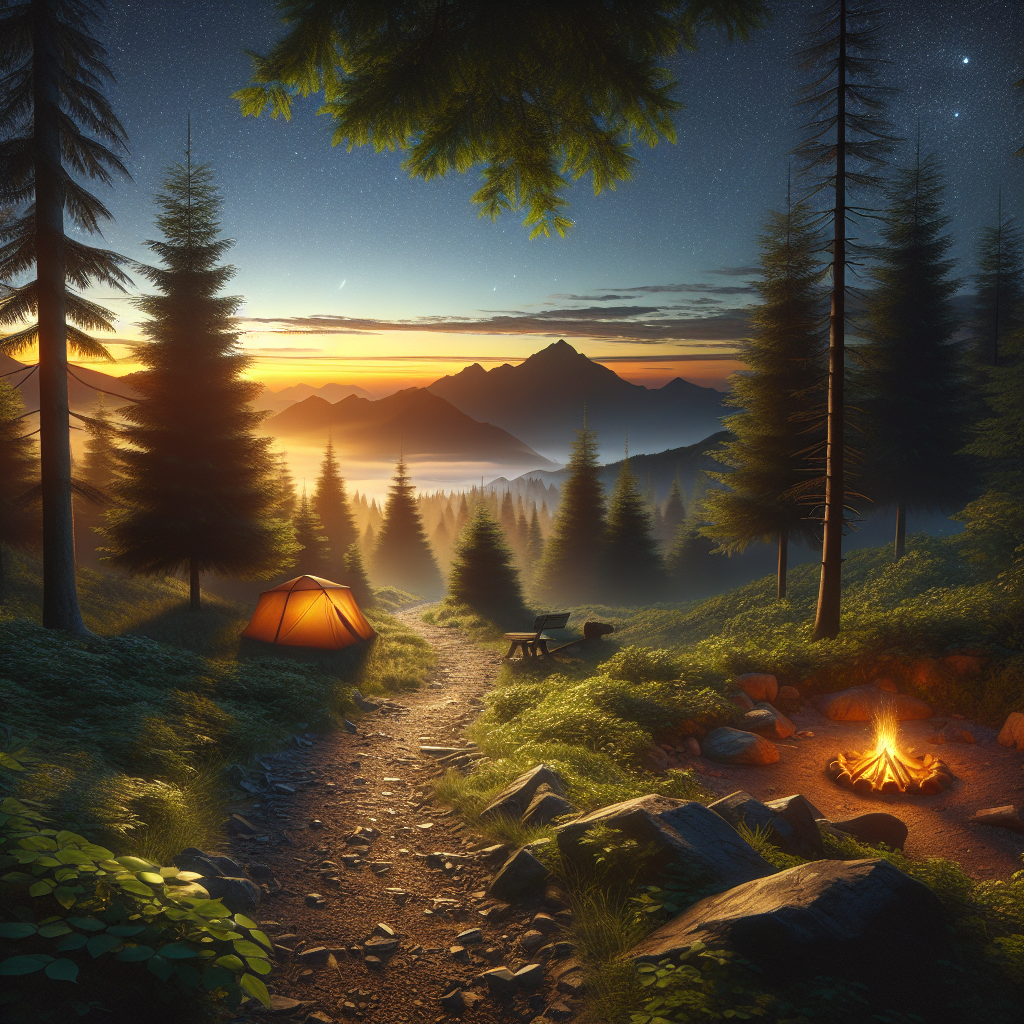
Embarking on an overnight hiking adventure is a thrilling way to connect with nature, challenge your physical limits, and experience the serenity of the wilderness after dark. Whether you are a seasoned trekker or a beginner looking to expand your horizons, an overnight hike can offer a unique blend of adventure and tranquility. This guide will provide you with essential tips, gear recommendations, and safety precautions to ensure that your overnight hiking adventure is unforgettable for all the right reasons.
Choosing the Perfect Trail
Assessing Your Skill Level
Before you set out on an overnight hike, it’s crucial to understand your own hiking abilities. Beginners should choose trails that match their fitness level and experience. Look for trails with gentle terrain and shorter distances, typically ranging from 5 to 10 miles round trip. More experienced hikers can opt for longer, more challenging routes with varied elevation gains and rugged paths.
Researching Trail Options
Start by researching trails in your desired region. National and state parks often offer well-maintained trails with established campsites. Online resources like AllTrails and the National Park Service website are excellent starting points for finding trail descriptions, maps, and reviews from fellow hikers. Consider factors such as trail difficulty, distance, and available facilities when making your choice.
Understanding Seasonal Considerations
The time of year can significantly impact your overnight hiking experience. In spring and fall, weather conditions are usually mild, making these seasons ideal for hiking. Summer can bring heat and crowds, while winter requires additional gear and preparation for cold temperatures and snow. Always check the weather forecast and be prepared to adjust your plans accordingly.
Packing the Essentials
Backpack and Clothing
Select a backpack that fits comfortably and has enough capacity to carry your gear—typically 40 to 60 liters for an overnight trip. Wear moisture-wicking, breathable layers to regulate your body temperature, and pack a waterproof jacket for unexpected rain. Don’t forget a hat, gloves, and extra socks, as temperatures can drop significantly at night.
Camping Gear
A lightweight tent or a hammock with a rainfly is essential for shelter. Choose a sleeping bag rated for the lowest expected temperature and a sleeping pad for insulation and comfort. Bring a portable stove for cooking, along with a pot, lighter, and biodegradable soap for cleaning up.
Food and Water
Plan meals that are high in calories and easy to prepare, such as dehydrated meals, trail mix, and energy bars. Carry a water filter or purification tablets to ensure a safe water supply from natural sources along the trail. A hydration system or water bottles with a capacity of at least 2 liters per person is recommended.
Navigation and Safety
A map and compass, or a GPS device, are vital for navigation, especially in remote areas. Carry a first aid kit, a multi-tool, and a whistle for emergencies. Headlamps or flashlights with extra batteries are essential for nighttime visibility.
Preparing for the Journey
Physical Conditioning
To ensure an enjoyable hike, build your endurance and strength through regular exercise leading up to the trip. Focus on cardiovascular activities like hiking, running, or cycling, and incorporate strength training exercises that target your legs, core, and back.
Route Planning
Study your chosen trail map and plan your route, including potential campsites and water sources. Share your itinerary with a friend or family member and check in with park rangers or trailhead registries before setting out.
Leave No Trace Principles
Adhere to Leave No Trace principles to minimize your environmental impact. Pack out all trash, camp at least 200 feet from lakes and streams, and avoid disturbing wildlife. Use established fire rings for campfires and ensure they are fully extinguished before leaving.
The Overnight Experience
Setting Up Camp
Arrive at your campsite with enough daylight to set up your tent or hammock. Choose a flat, sheltered area away from potential hazards like falling branches or flash flood zones. Secure your food in a bear-proof container or hang it from a tree to protect it from wildlife.
Evening Activities
The evening offers a chance to relax and enjoy the natural surroundings. Cook a warm meal, then unwind with activities like stargazing or journaling about your day’s experiences. A small campfire can provide warmth and ambiance, but be sure to check local regulations regarding fire use.
Safety and Comfort
To ensure a restful night, store your gear safely and keep your immediate area organized. Dress in warm, dry clothing before bedtime, and use earplugs if you are sensitive to outdoor noises. Keep a flashlight and any necessary medication within reach.
Concluding Your Adventure
Breaking Camp
In the morning, break camp efficiently by packing up gear and ensuring the campsite is cleaner than you found it. Double-check for any forgotten items and dispose of waste properly.
Reflecting on the Experience
Take time to reflect on your overnight hiking adventure. Consider what you learned about the landscape, your gear, and yourself. Use these insights to improve future adventures, whether it’s adjusting your packing list or choosing a new, more challenging trail.
Sharing the Journey
Share your experiences with friends, family, or online hiking communities. Photos, stories, and tips can inspire others to embark on their own overnight hiking adventures and foster a community of outdoor enthusiasts.
Conclusion
An overnight hiking adventure promises a unique and rewarding experience, offering a deeper connection with nature and an opportunity for personal growth. By carefully planning your trip, packing the right gear, and respecting the environment, you can ensure that your adventure is unforgettable for all the right reasons. So lace up your boots, shoulder your pack, and head out into the wilderness for an experience that will stay with you long after the journey ends.
Share this content: