Ultimate Guide to Choosing the Best Camping Axe
Introduction
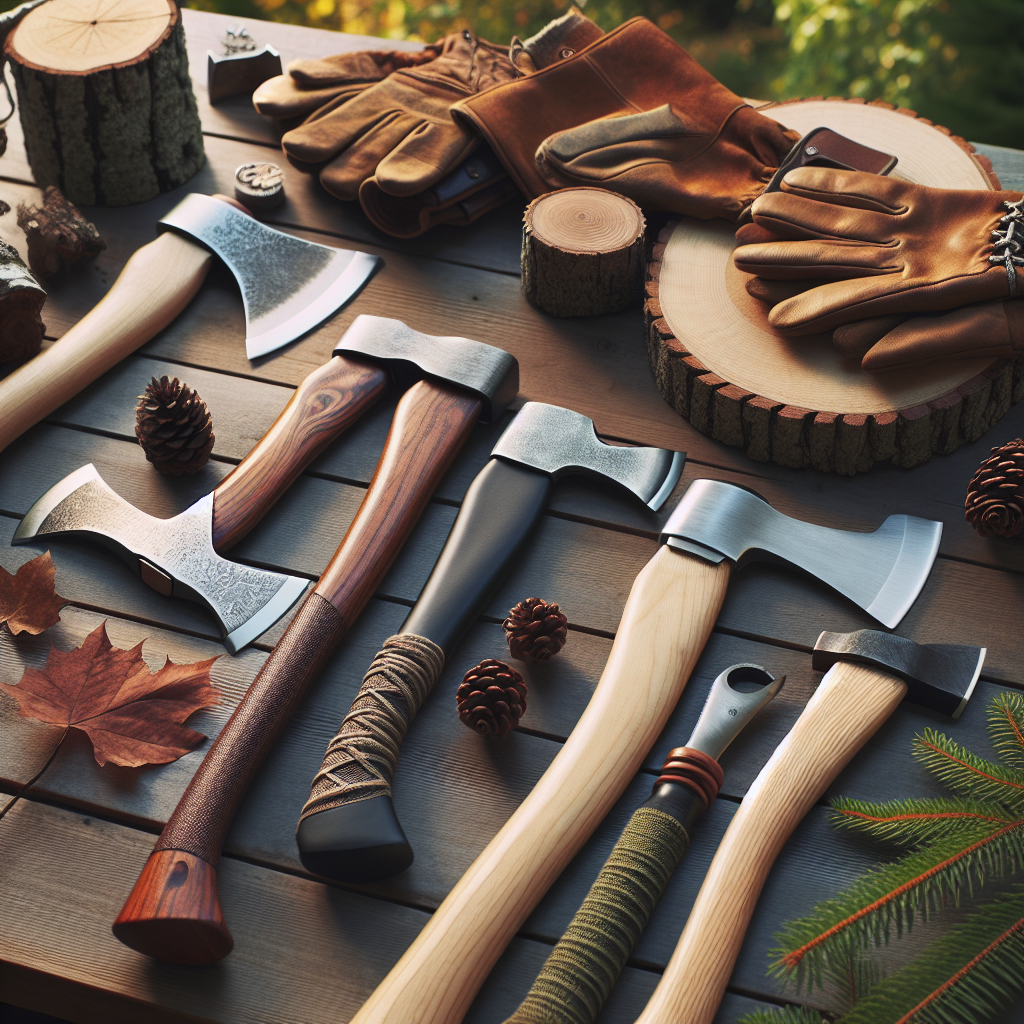
Camping is a beloved pastime for outdoor enthusiasts, offering a chance to connect with nature, relax, and engage in various activities. One essential tool for any camper is the camping axe, a versatile companion that can aid in tasks from chopping wood to setting up camp. However, choosing the right camping axe can be a daunting task given the plethora of options available. This guide aims to simplify the process, helping you select the best camping axe for your needs.
Understanding the Basics of a Camping Axe
Before diving into the selection process, it’s crucial to understand what makes a camping axe different from other types of axes. A camping axe is generally smaller and lighter than a traditional axe, designed for easy transport and handling during camping trips. It usually features a robust head for cutting or splitting wood and a handle that offers a firm grip for safe and efficient usage.
Key Components of a Camping Axe
- Head: The head is the metal part of the axe responsible for the cutting action. It typically has a sharp edge for chopping and may have a flat side for pounding.
- Handle: The handle provides leverage, allowing for effective swings. It is often made from wood, fiberglass, or steel.
- Weight: The weight of the axe affects its portability and ease of use. A lighter axe is easier to carry, while a heavier one may provide more chopping power.
Factors to Consider When Choosing a Camping Axe
Selecting the ideal camping axe involves considering various factors that influence its performance and suitability for your specific needs. Here are the primary aspects to evaluate:
1. Purpose
Determine the primary purpose of the axe. Are you using it mainly for chopping firewood, clearing brush, or for survival scenarios? Understanding the intended use will guide you in selecting the right type and size of the axe.
2. Size and Weight
The size and weight of the axe should match your physical capabilities and the tasks you plan to undertake. A larger axe offers more power but may be cumbersome for some users. Conversely, a smaller axe is more portable but may require more effort for heavy-duty tasks.
3. Material
The materials used in the construction of the axe significantly impact its durability and performance. Common materials include:
- Carbon Steel: Known for its strength and edge retention, carbon steel is a popular choice for axe heads.
- Stainless Steel: Offers resistance to rust and corrosion, ideal for wet environments.
- Wood Handles: Provide a traditional feel and shock absorption but may require more maintenance.
- Fiberglass Handles: Lightweight and durable, resistant to weather and impact damage.
4. Handle Length
The handle length affects the leverage and control you have over the axe. Longer handles provide more power and reach, while shorter handles offer better control and maneuverability.
5. Ergonomics
Consider the design and ergonomics of the axe handle. A well-designed handle will reduce hand fatigue and improve comfort during use. Look for features like non-slip grips and contoured shapes.
6. Balance
A well-balanced axe ensures efficient energy transfer during chopping, reducing the effort required. Test the balance by holding the axe at the handle’s midpoint and ensuring it feels stable and evenly weighted.
Types of Camping Axes
Camping axes come in various types, each suited for specific tasks and scenarios. Here are the most common types:
1. Hatchet
A hatchet is a small, one-handed axe ideal for light wood splitting, chopping kindling, and general camp tasks. Its compact size makes it easy to carry, and it’s perfect for those who need an all-in-one tool for camping.
2. Splitting Axe
Designed for splitting wood along the grain, a splitting axe features a wedge-shaped head that penetrates and separates wood fibers. It’s larger and heavier than a hatchet, making it suitable for campers who need to process larger logs for firewood.
3. Felling Axe
A felling axe is used for chopping down trees and cutting across the grain. It has a long handle and a sharp, thin blade for deep cuts. This type is more specialized and may not be necessary for casual campers.
4. Survival Axe
A survival axe is a multi-functional tool designed for emergency situations. It often includes additional features like a hammerhead, saw blade, or fire starter, providing versatility in survival scenarios.
Top Brands in the Camping Axe Market
Several reputable brands offer high-quality camping axes. Here are a few renowned names to consider:
1. Gränsfors Bruk
Known for their traditional craftsmanship, Gränsfors Bruk axes are handmade in Sweden and are highly regarded for their quality and performance. They offer a range of axes suitable for various camping needs.
2. Fiskars
Fiskars is known for their innovative designs and durable materials. Their axes often feature ergonomic handles and advanced blade technology, making them a favorite among modern campers.
3. Estwing
Estwing axes are crafted from a single piece of steel, offering exceptional durability and balance. They are known for their reliability and are a popular choice for both professionals and casual campers.
Maintenance Tips for Your Camping Axe
To ensure your camping axe remains in top condition and lasts for many years, follow these maintenance tips:
1. Cleaning
After each use, clean the axe head with a cloth to remove dirt and sap. For more stubborn residue, use warm soapy water and a brush. Dry the axe thoroughly to prevent rust.
2. Sharpening
Regularly sharpen the blade to maintain its cutting efficiency. Use a sharpening stone or file, following the original bevel angle. A sharp axe is safer and more effective.
3. Handle Care
If your axe has a wooden handle, occasionally apply linseed oil to keep it hydrated and prevent cracking. Check for any signs of damage and replace the handle if necessary.
4. Storage
Store your axe in a dry place, preferably in a sheath or cover to protect the blade. Avoid leaving it outdoors or in damp conditions.
Conclusion
Choosing the right camping axe is an essential step in ensuring a successful and enjoyable camping experience. By understanding the different types of axes, key features to consider, and maintenance practices, you can make an informed decision that meets your specific needs. Whether you’re a seasoned camper or a novice adventurer, the right camping axe will enhance your outdoor experience, providing you with a reliable tool for a variety of tasks.
Share this content:




Post Comment