

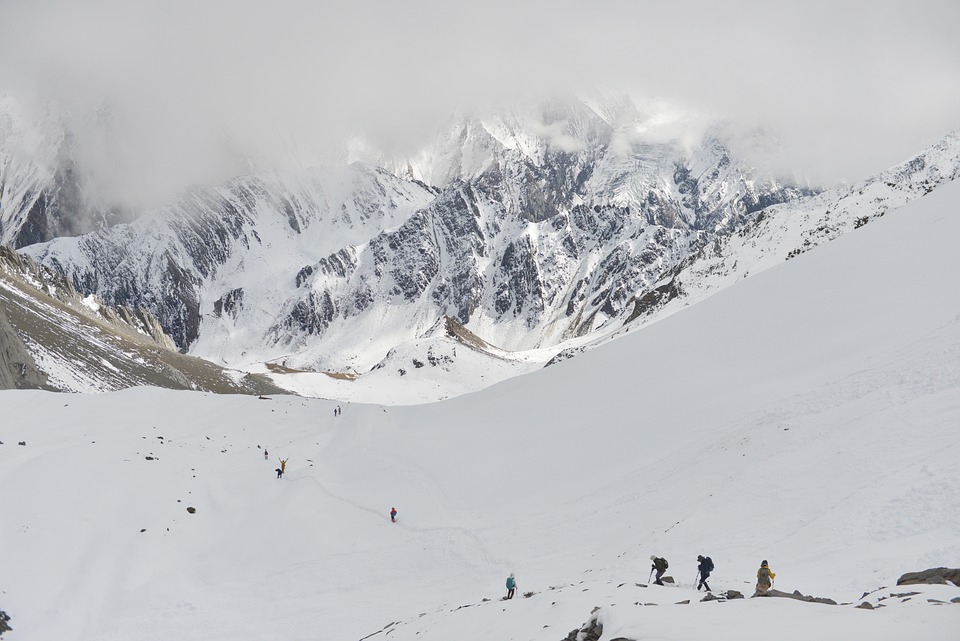
Trekking through the majestic Alps is an adventure that every outdoor enthusiast should experience at least once in their lifetime. These breathtaking mountain ranges span across eight European countries, offering unparalleled views, diverse landscapes, and a rich tapestry of cultures. Alpine trekking is not just about reaching the highest peaks; it’s about the journey through quaint villages, lush valleys, and rugged terrains. This guide aims to equip you with the knowledge and tips needed to conquer these epic trails safely and enjoyably.
Planning Your Alpine Trek
Proper planning is the key to a successful trekking adventure in the Alps. When preparing for such a journey, consider the following aspects:
Choose Your Trail
The Alps offer a plethora of trails ranging from leisurely walks to challenging climbs. Some popular treks include the Tour du Mont Blanc, the Haute Route, and the Dolomites. Research the trails and choose one that matches your fitness level and experience.
Best Time to Trek
The best time for trekking in the Alps is from June to September when the weather is most favorable. However, each season offers a unique experience. July and August are the warmest months, while early June or late September offers quieter trails and cooler temperatures.
Permits and Regulations
Depending on your chosen trail, you may need permits or reservations for certain sections or accommodations. Always check local regulations and obtain necessary permits in advance to avoid any disruptions during your trek.
Essential Gear for Alpine Trekking
Having the right gear is crucial for both safety and comfort when trekking in the Alps. Here is a checklist of essential items you should consider:
Clothing
– **Layered Clothing**: Weather in the Alps can be unpredictable. Wear moisture-wicking base layers, insulating mid-layers, and waterproof outer layers.
– **Sturdy Hiking Boots**: Ensure your boots are well-fitted, waterproof, and have good ankle support.
– **Hat and Gloves**: These are essential for protecting against the sun and cold.
Equipment
– **Backpack**: A durable, comfortable backpack with a capacity of 30-50 liters is ideal for multi-day treks.
– **Trekking Poles**: These help distribute weight and improve stability on uneven terrain.
– **Navigation Tools**: Carry a map, compass, or GPS device to stay on track.
Safety Gear
– **First Aid Kit**: Include bandages, antiseptic wipes, pain relievers, and any personal medications.
– **Emergency Kit**: Pack a whistle, mirror, and flashlight.
– **Weather Protection**: Sunglasses and sunscreen are essential for protection against harsh UV rays at higher altitudes.
Navigating the Trails
Successfully navigating the trails of the Alps requires both preparation and awareness.
Trail Markings and Maps
Trails in the Alps are generally well-marked, but it’s still important to carry a detailed map. Familiarize yourself with trail signs and markers, which vary by region but generally include painted blazes, cairns, and signposts.
Reading the Terrain
Understanding the landscape can help you anticipate changes in weather and trail conditions. Be aware of potential hazards such as loose rocks, steep inclines, and rapidly changing weather.
Respecting the Environment
The Alps are home to diverse ecosystems and wildlife. Practice Leave No Trace principles by packing out all waste, staying on marked trails, and respecting wildlife habitats.
Staying Safe on the Trail
Safety should always be a priority when trekking in the Alps.
Weather Awareness
Weather in the Alps can change rapidly. Check forecasts before you set out each day and be prepared to adjust your plans if conditions become unsafe.
Altitude Sickness
Trekking at high altitudes can pose health risks. Symptoms of altitude sickness include headaches, nausea, and dizziness. Acclimatize gradually and stay hydrated to minimize these effects.
Emergency Protocols
Know the emergency contact numbers for the region you’re trekking in. If you have cell reception, carrying a mobile phone with you is advisable. In case of an emergency, stay calm and use your emergency kit.
Cultural Aspects of Alpine Trekking
One of the unique aspects of trekking in the Alps is the opportunity to immerse yourself in the local culture.
Alpine Villages
The Alps are dotted with charming villages that offer insights into local traditions and lifestyles. Take time to explore these areas and interact with the residents.
Local Cuisine
Each region in the Alps has its own culinary specialties. Sample local dishes such as fondue in Switzerland, pasta in Italy, or sausages in Austria to enhance your trekking experience.
Conclusion: Embrace the Adventure
Trekking in the Alps is an unforgettable adventure that challenges your physical limits and rewards you with stunning natural beauty and cultural richness. By planning carefully, respecting the environment, and embracing the journey, you can conquer the Alpine trails and create memories that will last a lifetime. Whether you’re a seasoned trekker or a beginner, the Alps offer an experience like no other. So lace up your boots, pack your gear, and set out on your epic trekking adventure in the heart of Europe.
#ChatGPT assisted in the creation of this article.
Share this content: