

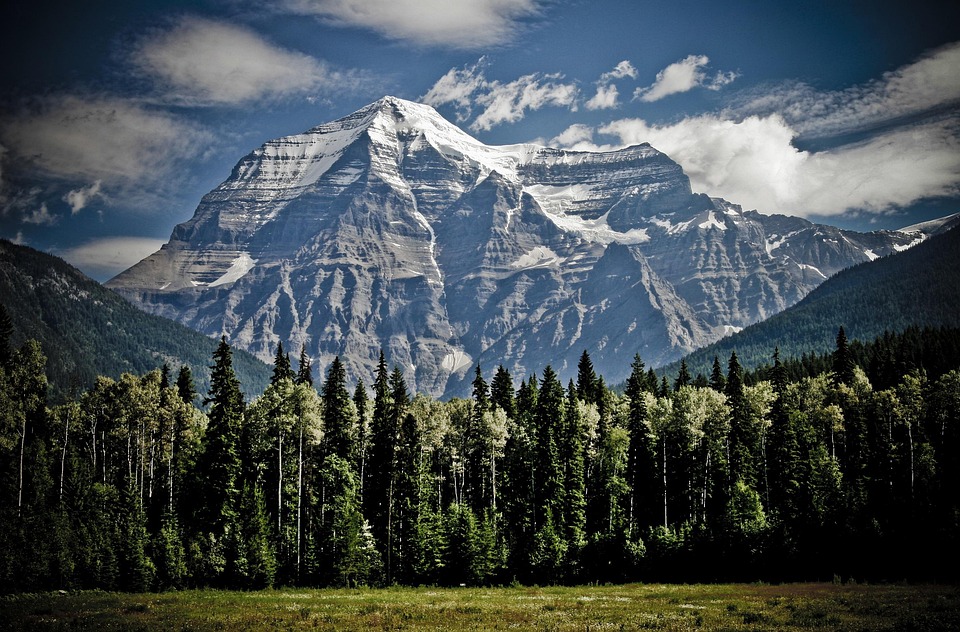
The world is adorned with majestic mountain ranges, each offering unique challenges and breathtaking vistas. For those who seek adventure, the call of the peaks is irresistible. This ultimate mountain adventure guide is designed to take you through everything you need to know to conquer these awe-inspiring summits. Whether you’re a seasoned mountaineer or a novice climber, this guide will equip you with the knowledge, preparation, and spirit needed to tackle the world’s most iconic peaks.
Choosing Your Adventure
Selecting the right mountain adventure depends largely on your experience, fitness level, and personal interests. From the jagged Alps to the towering Himalayas, each range offers a different experience.
The Alps
Known for their accessibility and stunning views, the Alps are a perfect starting point for beginners. With peaks like Mont Blanc, which stands at 4,808 meters, climbers can experience alpine beauty without the extreme conditions of higher altitudes.
The Himalayas
For seasoned adventurers, the Himalayas are the ultimate test of endurance and skill. Home to Everest, the world’s highest peak, this range offers challenges that are both physically demanding and spiritually rewarding.
The Andes
Stretching along South America’s western coast, the Andes offer diverse climbing experiences from snow-capped volcanoes to rugged peaks. Mountains like Aconcagua provide a challenging yet achievable goal for climbers looking to test their limits.
Preparation is Key
Before embarking on your mountain adventure, thorough preparation is crucial. This includes physical training, acquiring the right gear, and understanding the logistics of your chosen climb.
Physical Training
Mountain climbing is physically demanding, requiring endurance, strength, and flexibility. A training regimen should include cardiovascular exercises, strength training focusing on the core and legs, and flexibility exercises. Simulating altitude conditions, if possible, can also be beneficial.
Essential Gear
The right gear can make or break your adventure. Essential items include sturdy climbing boots, weather-appropriate clothing, climbing harnesses, ropes, carabiners, and helmets. A reliable backpack and hydration system are also critical, as is navigation equipment like maps, compasses, and GPS devices.
Logistical Planning
Planning the logistics of your trip involves researching the best time to climb, understanding the permits required, and arranging for guides if necessary. It’s also wise to plan for acclimatization days, as altitude sickness can be a serious risk.
Safety First
Safety should always be the top priority on any mountain adventure. Understanding the risks and knowing how to mitigate them can ensure a successful climb.
Understanding Altitude Sickness
Altitude sickness is a common risk when climbing high peaks. Symptoms include headaches, nausea, and dizziness. To prevent it, ascend gradually, stay hydrated, and allow your body time to acclimatize.
Weather Conditions
Mountain weather can be unpredictable and change rapidly. Always check the forecast before starting your climb and be prepared for sudden changes. Knowing when to turn back is vital for safety.
Emergency Protocols
Familiarize yourself with emergency procedures specific to the area you’re climbing. Carry a first-aid kit, know how to signal for help, and always inform someone of your itinerary.
The Climb
The climb itself is where preparation meets reality. Each mountain offers its own set of challenges and rewards.
Mindset and Motivation
Climbing a mountain is as much a mental challenge as it is physical. Staying motivated, maintaining focus, and managing fear are crucial for overcoming obstacles.
Team Dynamics
If climbing in a group, teamwork is essential. Effective communication, trust, and support can make the difference between success and failure.
Respect for Nature
Mountains are sacred places for many cultures. Respecting the environment, leaving no trace, and understanding local customs and traditions can enrich your climbing experience.
Reaching the Summit
Standing at the summit of a majestic peak is a triumphant moment. It’s a time for reflection, appreciation of the journey, and celebration of your achievement.
Capturing the Moment
Take time to savor the view and capture the moment with photos or a journal entry. These memories will be cherished long after the climb is completed.
The Descent
Remember, reaching the summit is only half the journey. The descent can be just as challenging and requires focus and energy.
After the Adventure
Once you’ve safely returned to base, the post-climb period is a time for recovery, reflection, and sharing your experience.
Recovery
Proper recovery is essential after a climb. This includes rest, hydration, and nutrition to help your body heal and prepare for future adventures.
Reflecting on the Experience
Reflect on what you’ve learned from the climb. Each adventure provides valuable lessons that can apply to future climbs and other areas of life.
Sharing Your Story
Sharing your adventure with others can inspire them to pursue their own mountain dreams. Whether through social media, a blog, or a presentation, your story can motivate others to explore the heights.
Conclusion
Conquering majestic peaks is a journey of discovery, challenge, and triumph. It’s an adventure that tests your limits and rewards you with unparalleled beauty and personal growth. With the right preparation, mindset, and respect for the mountains, anyone can embark on this ultimate adventure. Whether you’re scaling your first summit or planning a multi-peak expedition, the mountains are waiting to be conquered. Embrace the challenge and let the adventure begin.
#ChatGPT assisted in the creation of this article.
Share this content: