

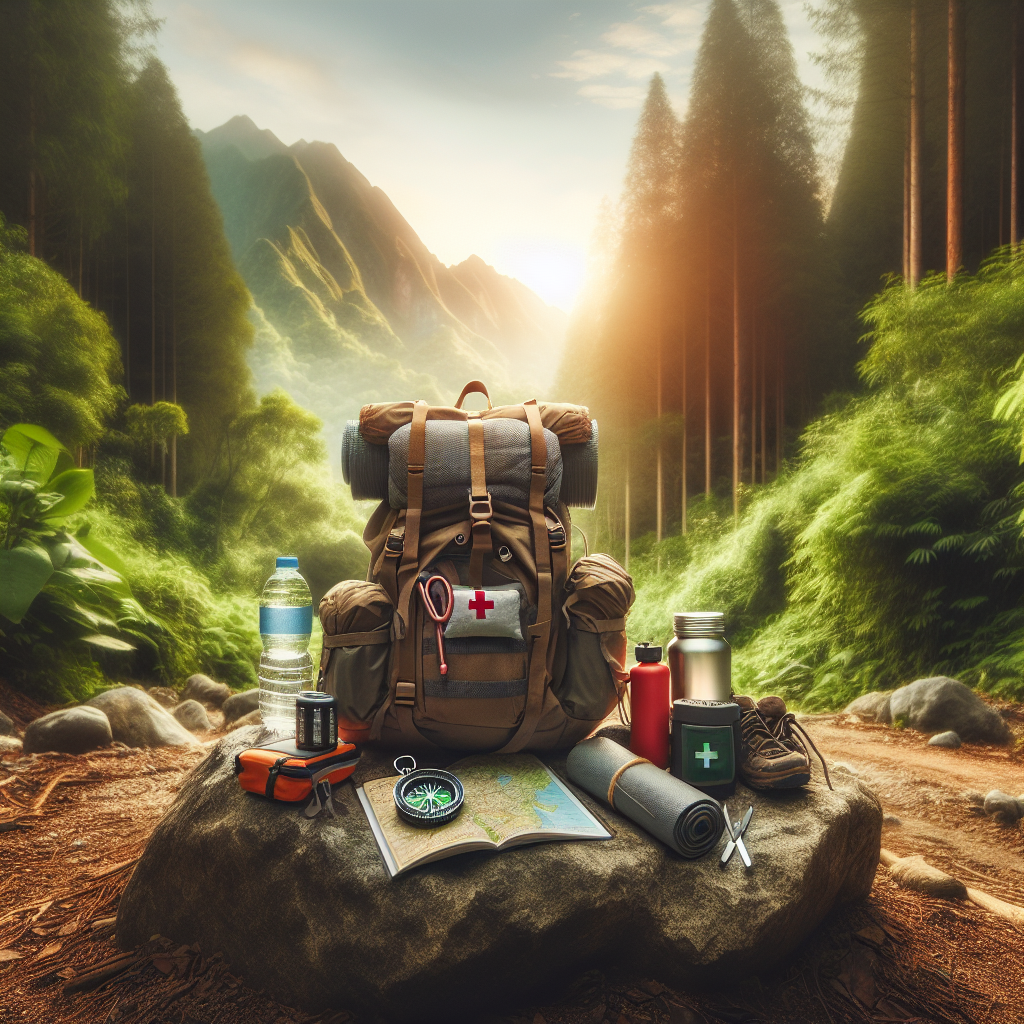
Hiking is a wonderful way to connect with nature, enjoy the great outdoors, and get some exercise. However, venturing into the wilderness also comes with its own set of risks. To ensure a secure and enjoyable adventure, proper preparation is crucial. A comprehensive hiking safety checklist is an invaluable tool for both novice and seasoned hikers alike. Below, we outline the essential items and considerations to include in your checklist for a secure hiking experience.
Research and Planning
Selecting the Right Trail
Before setting out on a hike, choose a trail that matches your fitness level and experience. Consider the trail’s length, elevation gain, terrain, and difficulty rating. Many national parks and hiking websites provide detailed descriptions and maps of trails to help you make an informed decision.
Check Weather Conditions
Weather can change rapidly in the wilderness, so it’s important to check the forecast for the day of your hike. Be prepared for sudden weather changes by packing appropriate clothing and gear. Avoid hiking during extreme weather conditions like thunderstorms, heavy rain, or heatwaves.
Inform Someone About Your Plans
Always let someone know your hiking plans, including the trail you intend to take, your expected return time, and any emergency contact information. This step is crucial in case you encounter any difficulties and require assistance.
Essential Gear and Equipment
Navigation Tools
While smartphones and GPS devices are helpful, it’s essential to carry a physical map and a compass as backup. Familiarize yourself with the trail and its landmarks before starting your hike. This preparation will help you stay on course and avoid getting lost.
First Aid Kit
A well-stocked first aid kit is a must-have for any hike. It should include adhesive bandages, antiseptic wipes, gauze pads, tweezers, medical tape, blister treatment, and any personal medications. Knowing basic first aid procedures can also be invaluable in addressing minor injuries.
Appropriate Clothing
Dress in layers to accommodate fluctuating temperatures and weather conditions. Moisture-wicking base layers, insulating mid-layers, and a waterproof outer layer are essential for comfort and safety. Opt for sturdy, comfortable hiking boots to protect your feet from rough terrain.
Hydration and Nutrition
Carry enough water to stay hydrated throughout your hike. A general rule is to bring at least two liters per person for a day hike, but adjust based on the trail difficulty, duration, and weather conditions. Pack high-energy snacks such as nuts, trail mix, and energy bars to maintain your energy levels.
Safety Measures
Wildlife Awareness
Research the wildlife native to the area you’ll be hiking in and understand how to safely coexist with them. Maintain a safe distance from animals, store food securely, and never attempt to feed wildlife. Make noise while hiking to alert animals of your presence and reduce the risk of surprise encounters.
Emergency Communication Devices
In areas with limited cell service, consider carrying a satellite phone or a personal locator beacon (PLB). These devices allow you to send distress signals and communicate your location to emergency services if needed.
Fire Safety
If your hike involves camping, be aware of fire regulations and restrictions. Use designated fire rings and keep fires small and manageable. Always ensure the fire is completely extinguished before leaving the area to prevent wildfires.
Mindful Hiking Practices
Leave No Trace
Adhere to the principles of Leave No Trace to minimize your impact on the environment. Pack out all trash, avoid picking plants, and stay on marked trails to protect the natural habitat.
Go at Your Own Pace
Hiking is not a race. Listen to your body and take breaks as needed. Overexertion can lead to fatigue, dehydration, and an increased risk of injury. Enjoy the scenery and pace yourself to ensure a pleasurable experience.
Stay Informed
Stay updated on any trail closures, advisories, or hazards by checking park websites or contacting local ranger stations. Being informed ensures a smoother and safer hiking experience.
Additional Considerations
Group Hiking Etiquette
If hiking in a group, establish a plan for staying together and communicating. Designate a leader and a sweep (the person who stays at the back) to ensure no one is left behind. Agree on a meeting point in case someone gets separated from the group.
Respect Other Hikers
Yield the trail to hikers moving uphill and be courteous to others sharing the path. Keep noise levels down, and if you’re hiking with pets, ensure they are leashed and under control.
Conclusion
Hiking offers a fulfilling outdoor experience, but prioritizing safety is key to ensuring a secure adventure. By following this essential hiking safety checklist, you can prepare effectively and minimize risks while exploring nature. Whether you’re embarking on a short day hike or a challenging multi-day trek, these guidelines will help you stay safe and make the most of your hiking journey.
Remember, the wilderness can be unpredictable, but with the right preparation and mindset, you can enjoy the beauty and serenity of the great outdoors with confidence and peace of mind.
#ChatGPT assisted in the creation of this article.
Share this content: