

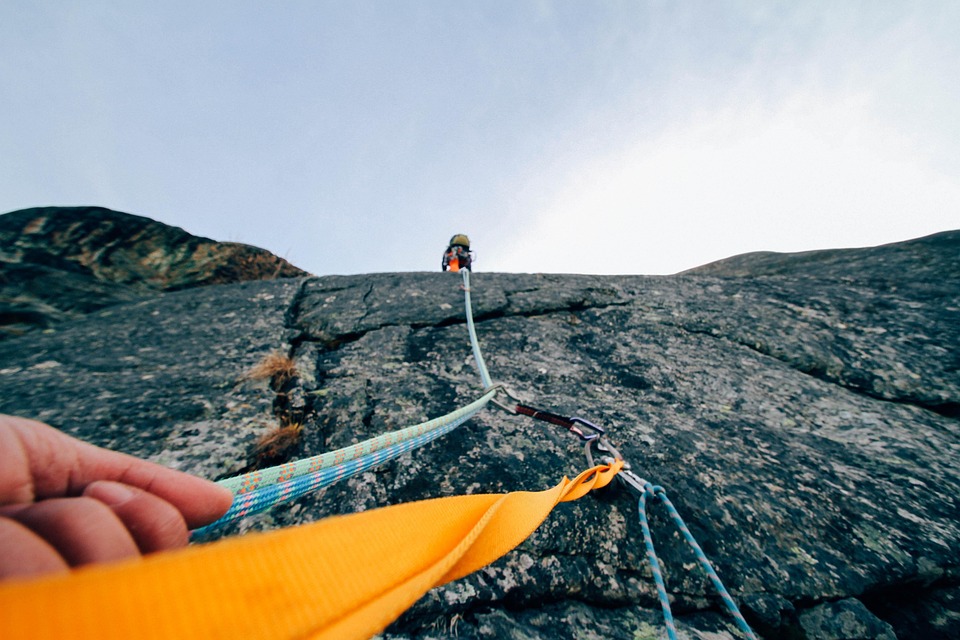
Hiking is a beloved pastime for outdoor enthusiasts, offering a chance to reconnect with nature, challenge oneself physically, and explore breathtaking landscapes. However, even the most experienced hikers must prioritize safety to ensure a successful and enjoyable adventure. Whether you’re a novice setting out on your first hike or a seasoned trekker tackling challenging trails, understanding essential hiking safety tips is crucial. This article delves into key safety practices that every adventurer should follow to ensure a secure and memorable hiking experience.
Plan Your Hike
Proper planning is the foundation of a safe hiking experience. Before setting foot on a trail, take the time to research and prepare accordingly.
Research the Trail
Understanding the specifics of the trail you plan to hike is vital. Research trail difficulty, length, elevation gain, and any potential hazards. Websites, guidebooks, and local ranger stations can provide valuable insights into trail conditions and weather forecasts. Knowing what to expect can help you prepare physically and mentally for the challenges ahead.
Check the Weather
Weather conditions can change rapidly in mountainous or remote areas, significantly impacting your safety. Check the weather forecast for the day of your hike and the days leading up to it. Be prepared to reschedule if severe weather is predicted. Pack appropriate clothing and gear to accommodate varying weather conditions, such as rain, wind, or temperature changes.
Inform Someone of Your Plans
Always inform a friend or family member of your hiking plans, including your expected return time. Share details about the trail location, your planned route, and any contingency plans. This information can be vital in case of an emergency, ensuring that someone knows where to look for you if you do not return as scheduled.
Pack the Essentials
A well-packed backpack is crucial for safety and comfort on the trail. While the specific items you bring may vary depending on the length and location of your hike, there are essential items every hiker should carry.
Navigation Tools
Carry a reliable map and compass or a GPS device and know how to use them. While many trails are well-marked, it’s easy to get off track, especially in remote areas. A navigation tool can help you find your way back to the trail if you become lost.
First Aid Kit
A basic first aid kit can be a lifesaver in the event of an injury. Include items such as adhesive bandages, antiseptic wipes, blister treatment, pain relievers, and any personal medications you may need. Familiarize yourself with basic first aid procedures before heading out.
Food and Water
Bring enough food and water to sustain you for the duration of your hike, with extra supplies in case of delays. High-energy snacks like nuts, trail mix, and energy bars are excellent choices. A hydration system or water bottles are essential, and a water filter or purification tablets can be invaluable if you need to refill from natural sources.
Clothing and Gear
Dress in layers to accommodate changing weather conditions and wear moisture-wicking fabrics to stay dry and comfortable. Proper footwear is crucial; choose sturdy hiking boots with good ankle support. Additionally, pack a rain jacket, hat, gloves, and sunglasses to protect yourself from the elements.
Stay on the Trail
Staying on designated trails is not only important for environmental conservation but also for your safety.
Avoid Shortcuts
Taking shortcuts off-trail can lead to erosion and damage to fragile ecosystems. More importantly, it increases the risk of getting lost or encountering hazardous terrain. Stick to marked paths to minimize these risks.
Respect Trail Closures
Adhere to any trail closures or warnings. These are often in place for your safety due to unstable terrain, maintenance work, or wildlife activity. Ignoring closures can put you and others in danger.
Be Aware of Wildlife
Encounters with wildlife can be one of the highlights of hiking, but they require caution and respect.
Know the Local Wildlife
Familiarize yourself with the types of wildlife you may encounter on your hike and understand how to react if you come across them. For example, know how to store food securely in bear country and learn the appropriate responses to encounters with animals like snakes or mountain lions.
Keep a Safe Distance
Always observe wildlife from a distance. Approaching animals too closely can be dangerous for both you and the animal. Use binoculars or a camera with a zoom lens to enjoy wildlife views without disturbing them.
Practice Leave No Trace Principles
Leaving no trace is a crucial principle for preserving the natural beauty and integrity of hiking trails.
Carry Out What You Carry In
Pack out all trash, leftover food, and personal items to keep the environment clean. Use designated waste disposal areas when available, and if not, carry a small trash bag to pack out waste.
Minimize Campfire Impact
If your hike involves camping, use a stove for cooking and avoid making a campfire unless it’s permitted and safe. If you do build a fire, keep it small and ensure it’s completely extinguished before leaving.
Know Your Limits
Understanding your physical and mental limits is key to hiking safely.
Don’t Overestimate Your Abilities
Choose trails that match your fitness and experience level. Overestimating your abilities can lead to fatigue, injury, or getting lost, especially on challenging trails.
Take Breaks and Stay Hydrated
Listen to your body and take regular breaks. Rest, hydrate, and refuel with snacks to maintain your energy levels. Pushing yourself too hard can lead to exhaustion or heat-related illnesses.
Emergency Preparedness
Even with the best planning, emergencies can happen. Being prepared can make all the difference.
Carry a Whistle and Signal Mirror
A whistle and signal mirror can help rescuers locate you in case of an emergency. Three short blasts on a whistle are recognized as a distress signal.
Know Basic Survival Skills
Familiarize yourself with basic survival skills, such as building a shelter, starting a fire, and finding safe drinking water. These skills can be invaluable if you find yourself in an unplanned overnight situation.
Conclusion
Hiking is a rewarding and invigorating activity that allows adventurers to experience the beauty of the natural world. By prioritizing safety and following these essential tips, you can ensure that your hiking adventures are both enjoyable and secure. Remember to plan ahead, pack the right gear, stay on the trail, respect wildlife, and know your limits. With the right preparation and mindset, you’ll be well-equipped to tackle any trail with confidence and care.
“`
#ChatGPT assisted in the creation of this article.
Share this content: