

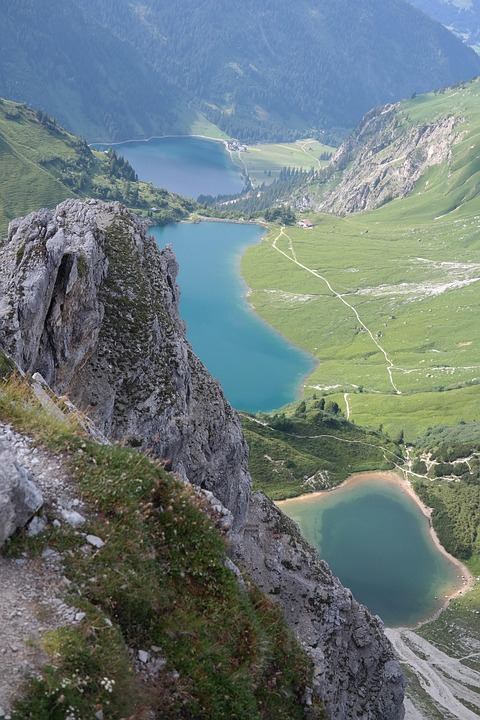
Mountain hiking is an exhilarating way to connect with nature, challenge yourself physically, and experience breathtaking landscapes. However, the mountains can be unpredictable and demand respect and preparation to ensure a safe and enjoyable adventure. Whether you’re a seasoned hiker or a beginner, it’s crucial to understand the essentials of mountain hiking. This guide provides comprehensive tips to help you prepare for a safe mountain hiking experience.
Research and Planning
Choose the Right Trail
Selecting a trail that matches your skill level is the first step toward a safe hiking adventure. Research trails in the area you plan to visit, considering factors such as distance, elevation gain, and technical difficulty. Websites like AllTrails and local hiking forums can provide valuable insights and reviews from other hikers.
Check the Weather
Weather conditions can change rapidly in the mountains, making it essential to check the forecast before heading out. Pay attention to temperature variations, precipitation, and wind conditions. Be prepared to postpone your hike if severe weather is expected, as safety should always be your top priority.
Inform Someone About Your Plans
Before you embark on your hike, inform a friend or family member about your plans. Provide details about your trail, expected return time, and any other relevant information. This ensures that someone is aware of your whereabouts and can alert authorities if necessary.
Gear and Equipment
Wear Appropriate Clothing
Layering is key when dressing for a mountain hike. Start with moisture-wicking base layers, add insulating layers for warmth, and finish with a waterproof and windproof outer layer. Avoid cotton clothing, as it retains moisture and can lead to hypothermia. A good pair of hiking boots with ankle support is crucial for navigating rocky and uneven terrain.
Essential Gear
Carry a well-stocked backpack with essential gear, including:
– A map and compass or GPS device for navigation.
– A first-aid kit to address minor injuries.
– A multi-tool or knife for various tasks.
– A headlamp or flashlight with extra batteries.
– A fire starter or waterproof matches.
– A whistle for signaling in emergencies.
– Sun protection, including sunglasses, sunscreen, and a hat.
Food and Water
Pack enough food and water to sustain you throughout your hike. High-energy snacks like nuts, dried fruits, and energy bars are excellent choices. Hydration is critical, so carry more water than you think you’ll need. Consider using a hydration reservoir or water bottles with a filtration system if you plan to refill from natural sources.
Safety Practices
Acclimatize to the Altitude
If you’re hiking at high elevations, give your body time to acclimatize to the altitude. Ascend gradually, and be alert for symptoms of altitude sickness, such as headaches, nausea, and dizziness. Descend immediately if symptoms worsen.
Stay on Marked Trails
To minimize the risk of getting lost, stay on marked trails and follow trail signs. Venturing off the trail can lead to disorientation and increase the likelihood of accidents. If you need to leave the trail for any reason, ensure you can retrace your steps.
Avoid Hiking Alone
While solo hiking can be a rewarding experience, it’s safer to hike with a partner or group. Companions can provide assistance in case of injury or emergencies and share the experience. If you decide to hike alone, take extra precautions and ensure someone knows your plans.
Emergency Preparedness
Know Basic First Aid
Familiarize yourself with basic first aid procedures, such as treating blisters, cuts, and sprains. Take a first-aid course if possible to enhance your skills and confidence in handling medical emergencies.
Understand and Recognize Hazards
Be aware of potential hazards in the mountains, such as avalanches, rockfalls, and wildlife encounters. Learn how to recognize these dangers and what actions to take if you encounter them. For instance, making noise while hiking can help deter wildlife, and knowing the signs of an avalanche can save your life.
Carry a Communication Device
In addition to a whistle, carry a fully charged mobile phone for emergency communication. However, be aware that signal coverage may be limited in remote mountain areas. Consider investing in a satellite phone or personal locator beacon for added security.
Environmental Responsibility
Leave No Trace
Practice Leave No Trace principles to minimize your impact on the environment. Pack out all trash, including biodegradable waste, and avoid picking plants or disturbing wildlife. Stick to designated trails and campsites to preserve the natural landscape.
Respect Local Regulations
Familiarize yourself with any local regulations or restrictions, such as fire bans or access limitations. Adhering to these rules not only ensures your safety but also helps preserve the environment for future hikers.
Conclusion
Mountain hiking can be an incredibly rewarding experience, offering stunning views and a sense of accomplishment. By adequately preparing for your adventure, you can ensure a safe and enjoyable journey. Remember to research and plan your hike, equip yourself with the right gear, practice safety, prepare for emergencies, and respect the environment. With these essential mountain hiking tips, you’re ready to embark on a safe and unforgettable mountain adventure.
“`
#ChatGPT assisted in the creation of this article.
Share this content: