

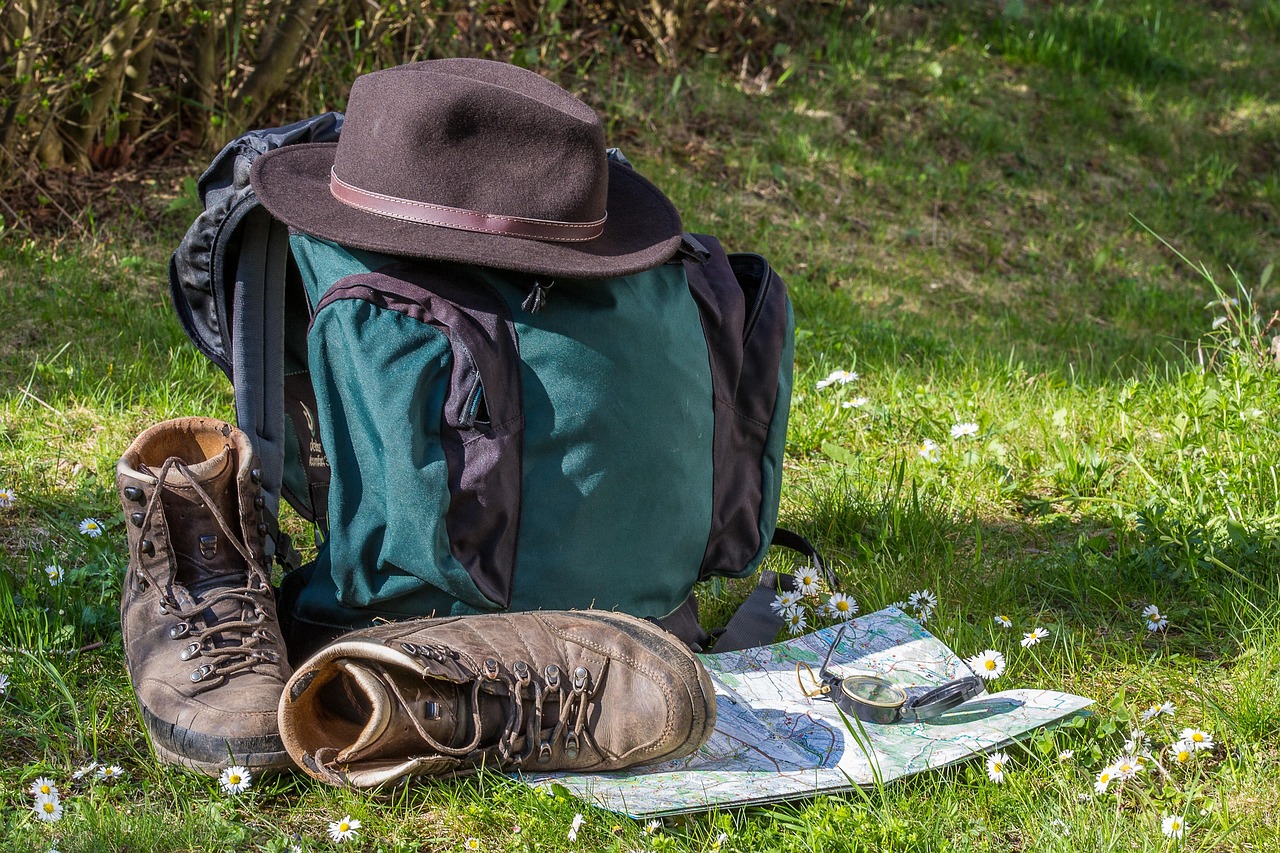
Venturing into the great outdoors is an exhilarating experience, offering a chance to connect with nature, test your limits, and rejuvenate your spirit. However, whether you’re planning a simple day hike or a multi-day backpacking trip, having the right gear can make all the difference. For beginners, the sheer volume of available outdoor equipment can be overwhelming. This guide aims to simplify the buying process, ensuring you have the essentials to keep you safe and comfortable during your adventures.
Clothing: Dress for Success
The right clothing is crucial for comfort and safety in the outdoors. The key is to dress in layers, allowing you to adjust to changing weather and activity levels.
Base Layer
Your base layer should be moisture-wicking to keep sweat away from your skin. Look for fabrics like merino wool or synthetic materials, which dry quickly and help regulate your body temperature.
Insulating Layer
The insulating layer retains your body heat. Fleece and down are popular choices, with fleece being ideal for damp conditions and down offering superior warmth-to-weight ratio for cold, dry environments.
Outer Layer
Your outer layer should be waterproof and windproof to protect against the elements. A quality rain jacket or shell with breathable fabric technology is essential for staying dry and comfortable.
Footwear: Step Right
Proper footwear is fundamental to your outdoor experience. Your choice will depend on the type of activity and terrain.
Hiking Boots
Hiking boots provide ankle support and are designed for rough terrains. Look for waterproof options with a sturdy sole for grip, especially if you plan to explore rocky or uneven trails.
Trail Running Shoes
If you prefer lighter footwear and plan to stick to well-maintained trails, trail running shoes are a great alternative. They offer flexibility, good traction, and are often more breathable than boots.
Socks
Invest in quality hiking socks made from merino wool or synthetic blends to reduce the risk of blisters and keep your feet dry.
Backpacks: Carry with Ease
Choosing the right backpack depends on the length and type of your trip. Comfort and fit are paramount, so it’s essential to try on different models.
Daypacks
For short hikes or day trips, a backpack with a capacity of 15-30 liters is usually sufficient. Look for features like hydration reservoir compatibility and multiple compartments for organization.
Backpacking Packs
For multi-day trips, consider a pack in the range of 40-70 liters, depending on how much gear you need to carry. Features to consider include adjustable suspension systems, hip belts for weight distribution, and external gear loops.
Navigation Tools: Find Your Way
Even in the age of smartphones, traditional navigation tools are essential for safety and reliability.
Compass and Map
Learning to read a map and use a compass is a critical skill. They are lightweight, do not rely on batteries, and are indispensable in areas without GPS signal.
GPS Devices
Handheld GPS devices provide precise location information and are excellent backups to traditional methods. Make sure your device is durable and has a long battery life.
Safety Gear: Be Prepared
Safety gear is essential to handle unexpected situations and emergencies.
First Aid Kit
A compact first aid kit should include basics like bandages, antiseptic wipes, tweezers, pain relievers, and any personal medications.
Multitool or Knife
A multitool or a sturdy outdoor knife can be invaluable for repairs, food preparation, and other tasks.
Emergency Shelter
Consider carrying a lightweight emergency bivvy or space blanket, especially on longer hikes, to protect against hypothermia in case you are caught overnight unexpectedly.
Hydration and Nutrition: Keep Energized
Maintaining hydration and energy levels is crucial during outdoor activities.
Water Bottles and Filters
Choose durable, reusable water bottles. For longer trips, a water filtration system or purification tablets are vital for refilling from natural sources.
Portable Snacks
Bring high-energy snacks like nuts, jerky, energy bars, and dried fruits to keep your energy levels up. For overnight trips, lightweight dehydrated meals are convenient and nourishing.
Camping Gear: Comfort in the Wild
If you plan to camp, having the right gear is crucial for a comfortable experience.
Tent
Choose a tent based on the number of occupants, seasonality, and weight. Three-season tents are versatile for most conditions, while four-season tents offer more protection in harsh weather.
Sleeping Bag and Pad
A sleeping bag rated for the lowest temperature you expect to encounter is essential, along with a sleeping pad for cushioning and insulation from the ground.
Cooking Gear
A portable stove, lightweight cookware, and utensils are necessary for meal preparation. Consider the fuel type and stove weight when making your choice.
Conclusion
As a beginner, investing in essential outdoor gear can seem daunting, but it’s the foundation of safe and enjoyable adventures. Prioritize items based on your specific activities and environments, and remember that quality often trumps quantity. As you gain experience, you can expand your gear collection to suit your evolving outdoor pursuits. With the right equipment, you’ll be ready to explore the natural world confidently and comfortably.
#ChatGPT assisted in the creation of this article.
Share this content: