

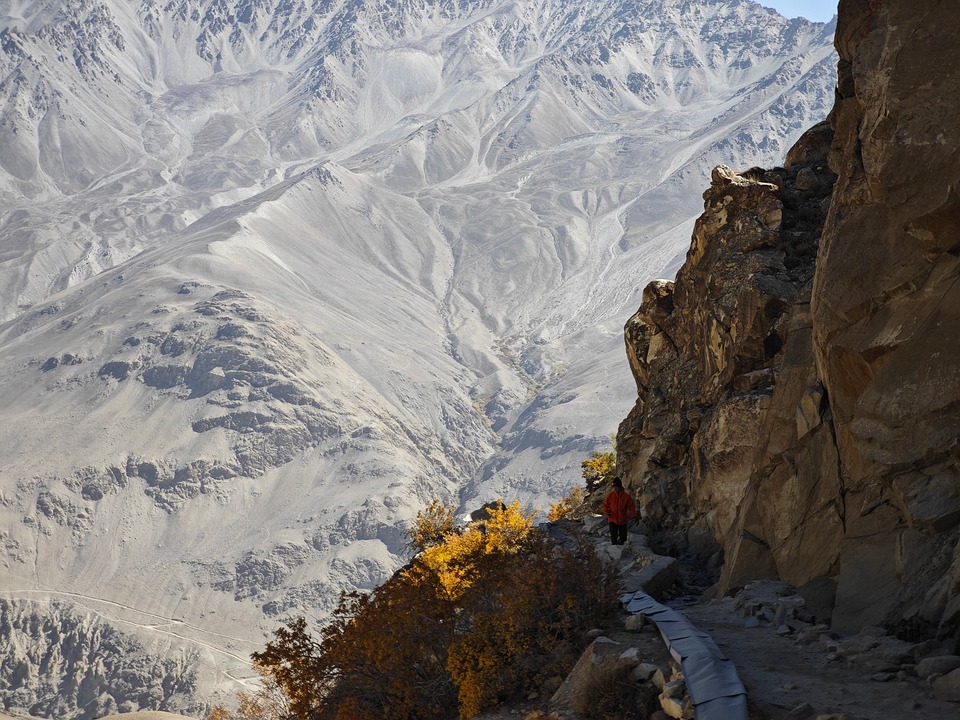
Hiking is a wonderful way to explore nature, improve your fitness, and find peace of mind. Whether you’re drawn to the soothing sounds of the forest, the breathtaking views from a mountain summit, or the exhilaration of reaching a remote destination, hiking offers something for everyone. If you’re new to hiking, it can seem a bit daunting with all the gear, planning, and skills involved. However, with the right preparation and mindset, anyone can enjoy the great outdoors. This article provides essential tips for beginners to start their hiking journey confidently and safely.
Choosing the Right Trail
One of the first steps in starting your hiking journey is selecting the right trail. Begin with trails that match your current fitness level and experience. Consider the following factors when choosing a trail:
Distance and Elevation Gain
For beginners, it’s wise to start with shorter hikes that have minimal elevation gain. A 3-5 mile round trip with less than 500 feet of elevation gain is a good starting point. As you gain confidence and strength, you can gradually increase the difficulty.
Trail Conditions
Research the trail conditions before heading out. Some trails may be rocky, muddy, or have water crossings. Make sure you’re prepared for what the trail might throw at you.
Location and Accessibility
Choose trails that are easy to reach and well-marked. Popular hiking areas often have well-maintained trails and facilities, making them ideal for beginners.
Essential Gear and Clothing
Having the right gear and clothing can make your hiking experience enjoyable and safe. Here’s what you’ll need:
Footwear
Invest in a good pair of hiking boots or shoes that offer support, traction, and protection. Make sure they fit well and break them in before hitting the trail to avoid blisters.
Clothing
Dress in layers so you can adjust to changing temperatures. A moisture-wicking base layer, insulating middle layer, and waterproof outer layer are essential. Avoid cotton as it retains moisture and can lead to hypothermia in cold conditions.
Backpack
A daypack is ideal for carrying your essentials. Look for one with comfortable straps, a hydration reservoir, and enough space for your gear.
Navigation Tools
Carry a map, compass, or GPS device. Familiarize yourself with the route before you start, and always have a plan to find your way back.
Additional Essentials
Bring enough water, snacks, a first aid kit, a multi-tool or knife, a flashlight or headlamp with extra batteries, sunscreen, and insect repellent. These items can help you handle unexpected situations and stay comfortable.
Physical Preparation
Hiking requires a basic level of fitness. Here are some ways to prepare physically:
Start Walking
If you’re new to exercise, begin by incorporating more walking into your daily routine. Gradually increase your distance and pace to build endurance.
Strength and Flexibility
Incorporate strength training exercises like squats, lunges, and core workouts to improve your stability and support. Stretch regularly to enhance flexibility and reduce the risk of injury.
Planning and Safety
Proper planning and safety measures are crucial for a successful hike:
Check Weather Conditions
Always check the weather forecast before heading out. Be prepared for sudden changes and know when it’s best to postpone your hike.
Inform Someone
Tell a friend or family member about your hiking plans, including your expected return time. In case of an emergency, someone will know where to find you.
Follow Leave No Trace Principles
Respect nature by following Leave No Trace principles. Stay on designated trails, pack out all trash, and leave natural objects as you found them.
On the Trail
When you’re on the trail, keep these tips in mind to enhance your experience:
Take it Slow
Don’t rush. Hiking is about enjoying the journey, not just reaching the destination. Take breaks, soak in the scenery, and listen to the sounds of nature.
Stay Hydrated and Fueled
Drink water regularly to stay hydrated, and snack on energy-rich foods like nuts, dried fruit, and energy bars to maintain your energy levels.
Respect Wildlife
Observe wildlife from a distance and never feed animals. Feeding wildlife can disrupt their natural behaviors and create dangerous situations.
After the Hike
Once you’ve completed your hike, take time to reflect on your experience:
Stretch and Cool Down
Stretch your muscles to help them recover and prevent stiffness. A cool down helps your body transition from activity to rest.
Evaluate Your Gear
Consider what worked well and what didn’t. This will help you refine your gear choices and prepare better for future hikes.
Document Your Journey
Keep a hiking journal to document your experiences. Note the trails you’ve completed, highlights of the hike, and any lessons learned.
Conclusion
Starting your hiking journey is an exciting adventure that can lead to a lifetime of exploration and personal growth. By choosing the right trail, preparing adequately, and respecting nature, you’ll set yourself up for success. Remember, the goal of hiking is not just to conquer the trail, but to enjoy the beauty and serenity that nature offers. As you gain experience, you’ll find yourself more connected to the world around you and more confident in your abilities. So lace up your hiking boots, pack your backpack, and step out into the wilderness. The trails are waiting for you.
#ChatGPT assisted in the creation of this article.
Share this content: