

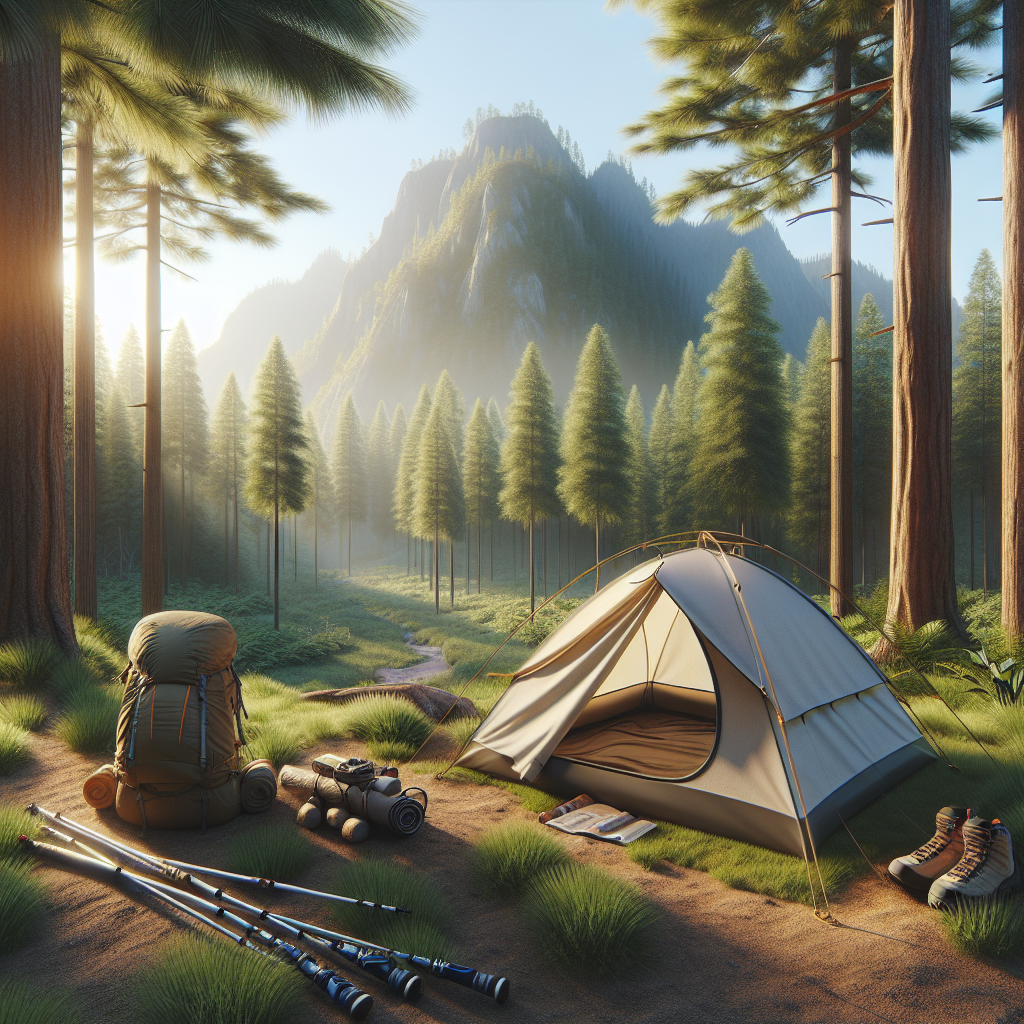
Master the Art of Perfect Hiking Camp Setup
Hiking and camping enthusiasts understand that setting up a perfect camp can make or break your outdoor adventure. Whether you’re embarking on a short hike or a multi-day trekking expedition, knowing how to set up your camp efficiently and effectively is crucial. A well-prepared camp ensures safety, comfort, and enjoyment, allowing you to fully immerse yourself in the beauty of nature. In this article, we’ll delve into the essential steps and tips to master the art of perfect hiking camp setup.
Choose the Right Campsite
The foundation of a good camp setup starts with selecting the right campsite. Look for a flat, dry area free from any potential hazards like falling branches or flooding. Ensure your site is at least 200 feet away from rivers or lakes to minimize the risk of flooding and to respect local wildlife habitats.
Consider Environmental Impact
Practice Leave No Trace principles by choosing established campsites whenever possible. This minimizes environmental impact and helps preserve the natural beauty for future hikers. Avoid setting up camp in fragile ecosystems like alpine meadows or on soft, mossy ground.
Assess Weather Conditions
Be aware of the local weather patterns and choose a site that offers some natural protection against the elements. Avoid camping at the top of a hill or in low-lying areas where wind and water can be problematic. Trees and rock formations can provide some natural shelter from wind and rain.
Set Up Your Shelter
Your shelter is your home away from home, and setting it up correctly is crucial for a good night’s rest. Whether you’re using a tent, hammock, or tarp, follow these steps to ensure a secure and comfortable setup.
Tent Setup
Choose a spot that is flat and free of debris like rocks or sticks. Lay down a ground tarp to protect the bottom of your tent and increase its durability. Assemble your tent poles and attach them to the tent, ensuring the structure is taut and stable. Use stakes to secure the tent to the ground, and attach guylines if necessary to provide additional stability against wind.
Hammock Setup
If you prefer a hammock, find two sturdy trees that are about 12-15 feet apart. Ensure the trees are healthy and strong enough to support your weight. Hang your hammock at a height that allows for easy entry and exit, typically about 18 inches off the ground. Use tree straps to prevent damage to the trees and adjust the tension to achieve a comfortable sag.
Tarp Setup
Tarps offer a lightweight and versatile shelter option. Use a ridgeline between two trees to secure the tarp, and adjust the angle to provide protection from wind and rain. Stake down the corners to ensure the tarp remains stable during adverse weather conditions.
Organize Your Camp Kitchen
A well-organized camp kitchen improves efficiency and safety when preparing meals in the wilderness. Follow these guidelines to set up a practical and safe cooking area.
Choose a Safe Location
Set up your kitchen at least 200 feet from your sleeping area to avoid attracting wildlife. Look for a flat, stable surface to place your stove and cooking equipment.
Use Bear-Proof Containers
If you’re camping in bear country, use bear-proof containers or hang your food in a bear bag at least 12 feet off the ground and 6 feet away from tree trunks. This prevents bears and other wildlife from accessing your food, keeping both you and the animals safe.
Implement Efficient Cooking Practices
Plan simple, one-pot meals to minimize cleanup and reduce waste. Bring biodegradable soap for washing dishes and dispose of wastewater at least 200 feet from water sources to protect the environment.
Establish a Proper Campfire
A campfire can provide warmth, light, and a sense of community. However, it’s essential to build and maintain a fire safely and responsibly.
Use Existing Fire Rings
Whenever possible, use existing fire rings to minimize environmental impact. If there are no established rings, build a fire in a cleared area free of debris and vegetation.
Gather Firewood Responsibly
Collect only dead and downed wood from the forest floor. Do not cut down live trees or branches, as this can harm the ecosystem. Gather wood that is no thicker than your wrist to ensure it burns efficiently.
Practice Fire Safety
Keep your fire small and manageable. Never leave it unattended, and always have water and a shovel nearby to extinguish it completely before leaving or going to bed. Douse the fire with water and stir the ashes until they are cool to the touch.
Ensure Proper Waste Disposal
Leaving no trace is a fundamental principle of responsible hiking and camping. Proper waste disposal is crucial to minimizing your impact on the environment.
Pack Out All Trash
Bring durable trash bags to pack out all of your garbage. This includes food scraps, packaging, and any other waste. Be diligent about leaving the campsite cleaner than you found it.
Dispose of Human Waste Correctly
If there are no facilities available, dig a cathole at least 6-8 inches deep and 200 feet away from water sources, trails, and campsites. After use, cover the hole with soil and pack out any toilet paper or hygiene products.
Minimize Your Footprint
Stick to established trails and campsites to reduce your impact on the surrounding environment. Avoid trampling vegetation and be mindful of your surroundings to preserve the natural beauty of the area.
Maintain Personal Safety and Comfort
Ensuring your personal safety and comfort is key to a successful camping experience. Prepare adequately and follow these tips to stay safe and comfortable during your trip.
Dress Appropriately
Wear moisture-wicking and layered clothing to adapt to changing weather conditions. Pack a hat, gloves, and extra layers to stay warm during cold nights and early mornings.
Stay Hydrated and Nourished
Carry enough water for your trip, and consider using a water filter or purification tablets if you plan to source water from natural bodies. Pack high-energy, nutrient-dense foods to keep your energy levels up during hikes.
Be Prepared for Emergencies
Carry a well-stocked first aid kit and know how to use it. Have a map, compass, or GPS device, and be familiar with the area in case you need to navigate without technology. Let someone know your plans and expected return time before heading into the wilderness.
Conclusion
Mastering the art of perfect hiking camp setup requires careful planning, respect for the environment, and an understanding of your personal needs. By choosing the right campsite, setting up your shelter and kitchen efficiently, practicing fire safety, and disposing of waste properly, you can ensure a safe and enjoyable outdoor adventure. Embrace the principles of Leave No Trace, prioritize your safety, and revel in the beauty of the natural world, knowing that you’ve contributed to its preservation for future generations.
#ChatGPT assisted in the creation of this article.
Share this content: