

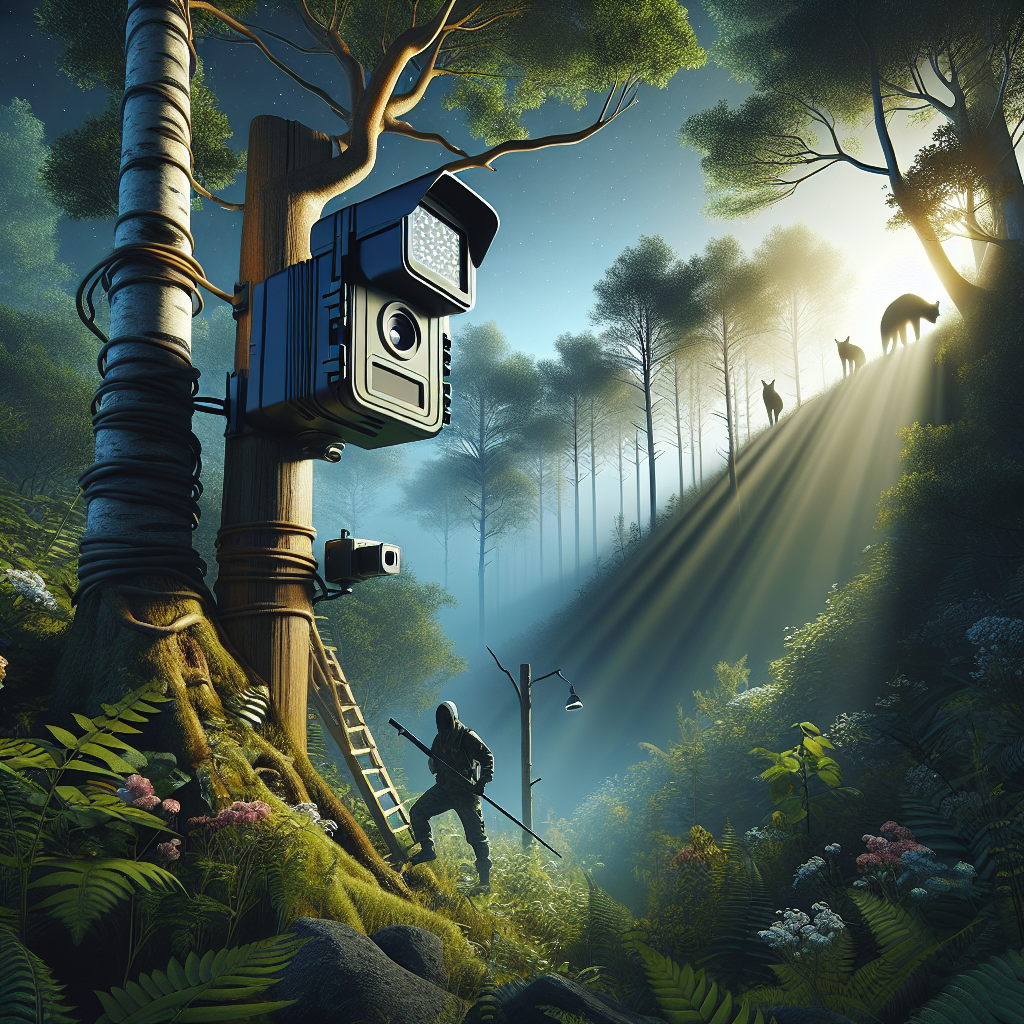
Introduction
Wildlife monitoring has become an integral part of conservation efforts, ecological studies, and hunting practices. Trail cameras, also known as game cameras, are indispensable tools in this context. These devices provide an unobtrusive way to observe wildlife in their natural habitat. This article delves into the top tips to maximize the effectiveness of trail cameras for wildlife monitoring, ensuring you capture the most valuable data while minimizing disturbances to the environment.
Choosing the Right Trail Camera
Selecting the appropriate trail camera is the first step in optimizing wildlife monitoring. The market offers a plethora of options, and choosing the right one depends on several factors:
- Resolution: Higher resolution cameras provide clearer images, crucial for identifying animals and observing details.
- Trigger Speed: A fast trigger speed ensures the camera captures an image quickly after detecting motion, reducing the chances of missing fast-moving animals.
- Battery Life: Long battery life is essential for prolonged monitoring sessions, especially in remote locations.
- Detection Range: A wide detection range allows the camera to capture images of wildlife from a greater distance.
- Weather Resistance: Ensure the camera is durable and weatherproof to withstand various environmental conditions.
Strategic Placement of Trail Cameras
The placement of trail cameras is crucial in capturing meaningful data. Here are some strategies for optimal camera placement:
- Animal Trails: Identify and set up cameras along frequently used animal trails to increase the likelihood of capturing wildlife activity.
- Water Sources: Placing cameras near watering holes or streams can be highly effective, as animals often visit these locations.
- Feeding Areas: Cameras set up near feeding grounds provide insights into the dietary habits and social interactions of wildlife.
- Natural Bottlenecks: Narrow paths or natural barriers can concentrate wildlife movement, making them ideal spots for camera placement.
Minimizing Human Scent and Disturbance
Minimizing human scent and disturbance is essential for maintaining the natural behavior of wildlife. Consider these practices:
- Scent Control: Use scent-eliminating sprays on your equipment and clothing before setting up cameras.
- Quiet Approach: Approach camera locations quietly to avoid startling nearby animals.
- Limited Visits: Minimize the frequency of visits to the camera sites to prevent habituating wildlife to human presence.
Optimizing Camera Settings
Properly configuring your trail camera settings is vital to capturing high-quality images and videos. Here are some key settings to consider:
- Photo vs. Video: Decide whether you want to capture still images or videos based on your monitoring objectives.
- Time-Lapse Mode: Use time-lapse mode to capture changes in the environment or animal behavior over extended periods.
- Night Mode: Ensure your camera has an effective infrared or flash feature for nighttime monitoring.
- Resolution Settings: Balance image quality with storage capacity by selecting an appropriate resolution setting.
Data Management and Analysis
Effective data management and analysis are crucial for drawing meaningful conclusions from your wildlife monitoring efforts:
- Storage Solutions: Use high-capacity SD cards and regularly back up data to prevent data loss.
- Software Tools: Utilize software tools for organizing, analyzing, and reviewing captured images and videos.
- Pattern Identification: Analyze data to identify patterns in animal behavior, such as migration routes and activity peaks.
Legal and Ethical Considerations
When using trail cameras for wildlife monitoring, it is important to adhere to legal and ethical guidelines:
- Permits: Ensure you have the necessary permits for camera placement on public or private land.
- Wildlife Disturbance: Avoid placing cameras in sensitive areas that may disturb nesting or endangered species.
- Data Privacy: Respect privacy laws related to capturing images on private property.
Conclusion
Trail cameras are powerful tools for wildlife monitoring, offering valuable insights into animal behavior and ecology. By carefully selecting and strategically placing your cameras, minimizing human impact, optimizing settings, managing data effectively, and adhering to legal guidelines, you can maximize the effectiveness of your wildlife monitoring efforts. Whether for research, conservation, or recreation, these tips will help you capture the most accurate and meaningful data in your trail camera endeavors, contributing to a better understanding and preservation of our natural world.
Share this content: