

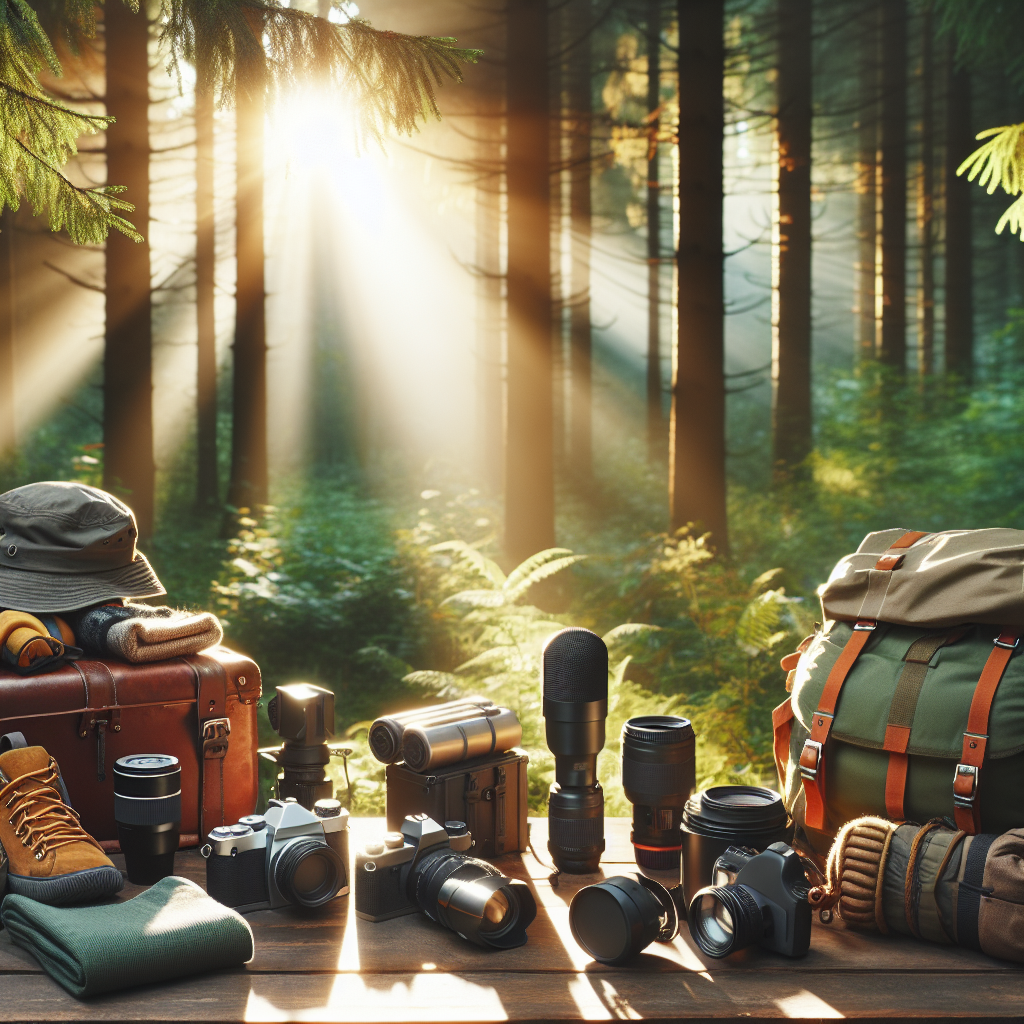
Venturing into the great outdoors is an exhilarating experience. Whether you’re camping, hiking, climbing, or kayaking, having the right gear is essential for safety, comfort, and enjoyment. However, with an overwhelming array of outdoor equipment available, it can be daunting to discern what suits your needs best. Gear testing is a critical step in ensuring that your equipment is up to the task. Here’s a comprehensive guide on top outdoor gear testing tips for adventurers.
Understanding Your Needs
Before diving into gear testing, it’s crucial to understand your specific needs. Are you planning a short weekend hike or a multi-day backpacking trip? The type of adventure significantly influences the kind of gear you’ll require. Consider factors like climate, terrain, and duration to determine what gear is essential.
Research and Reviews
Begin your gear testing journey with thorough research. Online reviews, outdoor magazines, and forums are treasure troves of information from other adventurers who have hands-on experience with the gear you’re considering. Look for reviews that offer detailed insights into performance, durability, and any issues encountered.
Hands-On Testing
There’s no substitute for hands-on experience. Before heading on a major expedition, test your gear in a controlled environment. Set up your tent in the backyard, take your new hiking boots for a short walk, or try out your camping stove. This allows you to familiarize yourself with the gear and identify any potential problems.
Simulate Real Conditions
Whenever possible, test your gear in conditions similar to those you’ll face during your adventure. If you’re preparing for a winter camping trip, test your sleeping bag and tent in cold conditions. This helps you gauge how well your equipment will perform in the actual environment.
Weight and Packability
For backpackers and hikers, weight and packability are crucial factors. Weigh your gear and assess how easily it fits into your backpack. Consider multi-functional items that can reduce the overall weight without compromising performance.
Durability Assessment
Durability is key for outdoor gear. During testing, pay attention to the build quality and materials used. Check for reinforced seams, high-quality zippers, and robust materials. Subject your gear to stress tests, like pulling on straps and checking for wear and tear after use.
Comfort and Fit
Comfort is paramount, especially for clothing, footwear, and backpacks. Ensure that clothing allows for a full range of motion and that footwear fits well to avoid blisters. Test backpacks for ergonomic fit and adjustability to prevent discomfort during long treks.
Weather Resistance
Outdoor adventures often involve unpredictable weather. Test the weather resistance of your gear, especially tents, rain jackets, and boots. Use a garden hose to simulate rain on your tent or jacket, and walk through shallow water to check the waterproofing of your boots.
Functionality and Usability
Gear should be intuitive and easy to use. During testing, evaluate the functionality of each item. Can you easily set up the tent, adjust the trekking poles, or operate the stove? Usability issues can be frustrating and dangerous in critical situations.
Battery Life and Electronics
If you’re using electronic gear like GPS devices, headlamps, or cameras, test their battery life and performance. Ensure that batteries are fully charged and consider bringing spare batteries or a portable charger for longer trips.
Safety Features
Prioritize gear with essential safety features. For instance, a backpack with a built-in whistle or a fire starter that works in wet conditions. Test these features to ensure they function as expected.
Return and Warranty Policies
Before purchasing gear, check the return and warranty policies. This provides peace of mind, knowing you can return or exchange items that don’t meet your expectations. Some companies offer generous warranties that cover damages or defects, so it’s worth considering brands with strong customer support.
Seek Expert Opinions
If you’re unsure about certain gear, seek advice from experts. Outdoor gear shops often have knowledgeable staff who can provide recommendations based on your needs and preferences. Additionally, joining outdoor clubs or communities can connect you with experienced adventurers willing to share their insights.
Field Testing
Once you’re confident in your initial tests, take your gear on a shorter trip before embarking on a major adventure. This field test allows you to experience the gear in action and make any necessary adjustments or replacements before your big trip.
Document Your Findings
As you test your gear, document your findings. Keep notes on each item’s performance, comfort, and any issues encountered. This information is invaluable for future gear decisions and can help you refine your kit over time.
Conclusion
Testing outdoor gear is a vital step in preparing for any adventure. By understanding your needs, researching, and conducting thorough tests, you can ensure that your equipment is reliable and suited to your journey. Remember, the right gear enhances your outdoor experience, making it safer, more comfortable, and ultimately more enjoyable. So, invest time in testing and choosing the best equipment for your adventures.
Share this content: