

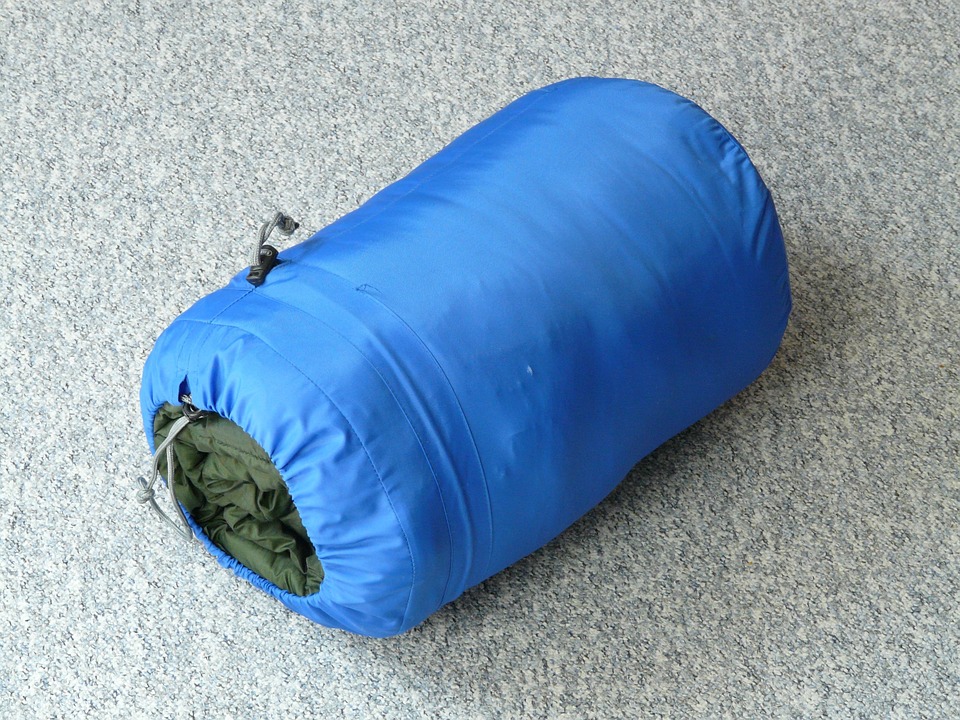
Camping is a fantastic way to reconnect with nature, escape the hustle and bustle of daily life, and enjoy the great outdoors. However, a successful camping trip requires essential gear, with a high-quality sleeping bag at the top of the list. A good sleeping bag ensures a comfortable and restful night’s sleep, which is crucial for enjoying your daytime adventures. This article explores the ultimate sleeping bags for a cozy camping experience, covering various types, materials, and features to help you make an informed decision.
Understanding Sleeping Bag Types
Sleeping bags come in various shapes, styles, and designs, each tailored to specific camping needs and environments. Understanding the different types can help you choose the best option for your camping experience.
Mummy Sleeping Bags
Mummy sleeping bags are designed to maximize warmth and minimize weight, making them ideal for backpacking and cold-weather camping. Their tapered shape, with a snug fit around the feet and a hood for the head, reduces heat loss and conserves body warmth. While they offer excellent insulation, some campers find the restricted movement less comfortable.
Rectangular Sleeping Bags
Rectangular sleeping bags provide more space for movement, making them a popular choice for car camping and warmer climates. They offer a roomier fit and can often be unzipped to function as a blanket. However, their loose fit may not retain heat as efficiently as mummy bags, making them less suitable for cold weather.
Semi-Rectangular (Barrel) Sleeping Bags
Semi-rectangular sleeping bags strike a balance between the warmth of a mummy bag and the comfort of a rectangular bag. They offer a bit more space for movement while still providing some degree of heat retention. These bags are versatile and suitable for a range of temperatures and camping scenarios.
Material Matters: Shells and Insulation
The materials used in sleeping bags significantly impact their performance, comfort, and durability. Understanding the differences in shell fabrics and insulation types will help you select the best sleeping bag for your needs.
Shell Fabrics
Most sleeping bags are made with either nylon or polyester shells, each with its benefits. Nylon is lightweight, durable, and resistant to abrasions, making it suitable for rugged camping conditions. Polyester, on the other hand, is often softer and provides better resistance to water, making it a good choice for damp environments. Additionally, some sleeping bags feature a Durable Water Repellent (DWR) coating, which enhances water resistance and keeps the bag dry.
Insulation Types
The insulation in a sleeping bag determines its warmth and compressibility. There are two primary types of insulation: down and synthetic.
Down Insulation: Down insulation, typically sourced from duck or goose feathers, is renowned for its excellent warmth-to-weight ratio and compressibility. Down sleeping bags are lightweight and packable, making them ideal for backpacking. However, they are more expensive and lose insulation capabilities when wet.
Synthetic Insulation: Synthetic insulation is made from polyester fibers that mimic the properties of down. These sleeping bags are generally more affordable, dry quickly, and retain insulation properties even when wet. While they may be bulkier and heavier than down bags, they offer a reliable choice for wet or humid conditions.
Key Features to Consider
When selecting a sleeping bag, several features can enhance your camping experience. Paying attention to these details will ensure you choose a bag that suits your preferences and camping style.
Temperature Ratings
Sleeping bags come with temperature ratings that indicate the lowest temperatures at which the bag will keep you warm. These ratings are usually based on the European Norm (EN) or the International Organization for Standardization (ISO) standards. Consider the typical weather conditions of your camping destinations and choose a bag with an appropriate temperature rating. It’s often advisable to select a bag rated slightly lower than the expected temperature for added comfort.
Weight and Packability
For backpackers, weight and packability are crucial factors. A lightweight and compact sleeping bag is easier to carry and fits better in your backpack. Down sleeping bags are often preferred for their superior packability, but advancements in synthetic insulation have produced lightweight options as well.
Additional Features
Consider additional features that enhance comfort and convenience, such as draft collars, which prevent cold air from entering the bag, and zipper baffles that reduce heat loss. Some sleeping bags include pockets for storing small items or integrated sleeping pad sleeves to keep you from sliding off your sleeping pad during the night.
Top Picks for Ultimate Comfort
Based on the factors discussed, here are some top picks for sleeping bags that promise a cozy camping experience.
1. REI Co-op Magma 15 Sleeping Bag
The REI Co-op Magma 15 is a highly-rated down sleeping bag known for its excellent warmth-to-weight ratio. With a temperature rating of 16°F (-9°C), it is suitable for three-season camping. Its water-resistant down and lightweight design make it a favorite among backpackers.
2. Therm-a-Rest Questar 20 Sleeping Bag
The Therm-a-Rest Questar 20 features 650-fill Nikwax Hydrophobic Down, providing reliable warmth even in damp conditions. With a temperature rating of 20°F (-6°C), it’s a versatile choice for various climates. The bag includes features like ThermaCapture lining and SynergyLink connectors for added warmth and stability.
3. Coleman Brazos Cold Weather Sleeping Bag
For budget-conscious campers, the Coleman Brazos Cold Weather Sleeping Bag offers excellent value. It features synthetic insulation suitable for temperatures as low as 20°F (-6°C). Its rectangular shape provides ample room for movement, making it an ideal choice for car camping.
4. Big Agnes Anvil Horn 15 Sleeping Bag
The Big Agnes Anvil Horn 15 combines down insulation with a unique Flex Pad Sleeve, ensuring a secure fit with your sleeping pad. With a 15°F (-9°C) temperature rating, it is designed for cold-weather camping. The bag’s lightweight design and compressibility make it an excellent choice for backpackers.
Conclusion
A cozy and restful night’s sleep is essential for a successful camping trip, and the right sleeping bag plays a pivotal role in achieving that. By understanding the various types, materials, and features of sleeping bags, you can choose the best option for your camping adventures. Whether you prefer the warmth of a mummy bag, the spaciousness of a rectangular bag, or the versatility of a semi-rectangular bag, there is a sleeping bag that caters to your needs. With the ultimate sleeping bag in your gear collection, you can look forward to a cozy camping experience under the stars.
#ChatGPT assisted in the creation of this article.
Share this content: