

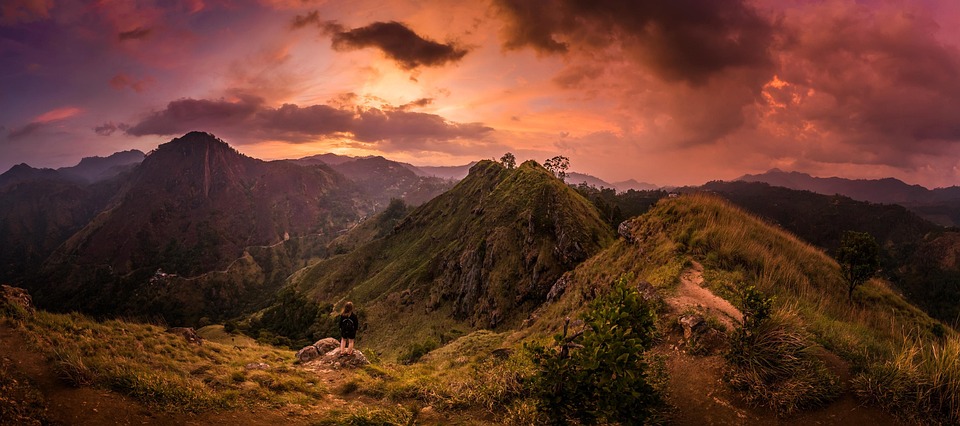
Backpacking is an exhilarating way to explore the great outdoors, offering an unparalleled sense of freedom and adventure. Whether you’re a seasoned trekker or a novice looking to embark on your first journey, preparation is key to a successful and enjoyable experience. This article will provide essential backpacking tips to help you make the most of your next adventure, ensuring you’re well-prepared, safe, and ready to embrace the wonders of the wilderness.
Choose the Right Gear
Selecting the appropriate gear is fundamental for any backpacking trip. Your equipment can significantly affect your comfort and safety, so it’s important to invest in quality items that suit your specific needs.
Backpack
The backpack is arguably the most important piece of gear. Choose one that fits well and is comfortable for long periods. Look for adjustable straps, a padded hip belt, and ventilation to keep you cool. Consider the size and capacity according to the length and demands of your trip; a pack in the range of 50 to 70 liters is typically suitable for multi-day trips.
Clothing
Layering is crucial when it comes to clothing. Start with moisture-wicking base layers to keep sweat away from your skin. Add insulating layers like fleece or down jackets for warmth, and top it off with a waterproof and windproof outer shell. Don’t forget to pack a hat, gloves, and extra socks, as weather conditions can change rapidly.
Footwear
Invest in sturdy, comfortable hiking boots that offer good ankle support and have been broken in before your trip. Consider the terrain you’ll be navigating when choosing between lighter trail shoes or heavier boots.
Plan Your Route
Before setting out, plan your route meticulously. Research the area you’ll be exploring and obtain up-to-date maps. Consider factors like distance, elevation gain, and difficulty to ensure it matches your skill level and physical condition.
Navigation
Bring a reliable map and compass, and know how to use them. While GPS devices and smartphones are helpful, they can fail due to battery life or signal issues. A physical map is a dependable backup.
Permits and Regulations
Check if permits are required for the area you plan to explore. Some national parks and wilderness areas have restrictions to preserve the environment and manage visitor numbers. Adhere to all regulations to minimize your impact on the ecosystem.
Pack Smart
Packing efficiently can make a significant difference in your comfort and enjoyment. Prioritize lightweight and multipurpose items to keep your load manageable.
Essential Items
Ensure you pack all essentials, including a first aid kit, multi-tool, fire-starting materials, and a portable water filter or purification tablets. A lightweight tent or shelter, sleeping bag, and sleeping pad are necessary for overnight trips.
Food and Water
Plan your meals and snacks, opting for lightweight, high-energy foods that don’t require refrigeration. Dehydrated meals, nuts, and energy bars are excellent choices. Carry sufficient water and have a reliable method for purification if necessary.
Stay Safe
Safety is paramount in any backpacking adventure. Being prepared and informed can help mitigate risks and ensure a safe journey.
Weather Awareness
Monitor the weather forecast leading up to and during your trip. Adjust your plans accordingly, and be prepared for sudden changes in conditions. In some cases, postponing your trip may be the safest option.
Leave an Itinerary
Always inform someone of your plans, including your route, expected return date, and emergency contact information. This ensures someone knows where you are and can alert authorities if you don’t return on time.
Wildlife Precautions
Understand the wildlife you may encounter in the area and know how to respond to various animals. Store food properly to avoid attracting bears or other critters, and carry bear spray if traveling in bear country.
Practice Leave No Trace
Preserving the natural environment is every backpacker’s responsibility. Adhering to Leave No Trace principles helps protect the wilderness for future generations.
Minimize Campfire Impact
Use a portable stove for cooking instead of building a fire. If a fire is necessary, keep it small, use established fire rings, and ensure it is completely extinguished before leaving.
Dispose of Waste Properly
Pack out all trash, leftover food, and personal hygiene products. Use biodegradable soap for washing and avoid contaminating water sources.
Stay on Trails
Stick to established trails to avoid damaging vegetation and causing erosion. This helps preserve the natural beauty of the area and prevents the creation of unsightly new paths.
Embrace the Experience
Backpacking offers a unique opportunity to connect with nature and escape the hustle and bustle of daily life. Embrace the experience by keeping an open mind and being present in the moment.
Reflect and Journal
Take time each day to reflect on your experiences. Consider keeping a journal to document your journey, capturing thoughts, landscapes, and encounters with wildlife. This practice can enhance your appreciation for the adventure and provide cherished memories.
Practice Mindfulness
Use your time in nature to practice mindfulness. Focus on your surroundings, the sounds of nature, and your breath. This can help reduce stress and deepen your connection to the environment.
Conclusion
Backpacking is a rewarding and transformative experience that requires thoughtful preparation and respect for nature. By following these essential tips, you’ll be well-equipped to tackle your next adventure safely and enjoyably. Remember to choose the right gear, plan your route, pack smartly, stay safe, and practice Leave No Trace principles. Most importantly, embrace the journey with an open heart and mind, allowing the beauty of the wilderness to inspire and rejuvenate you.
#ChatGPT assisted in the creation of this article.
Share this content: