

“`html
Introduction to Camouflage Clothing in Hunting
In the world of hunting, success often hinges on the hunter’s ability to blend seamlessly into their surroundings. This is where camouflage clothing plays a pivotal role. Mastering the art of camouflage is not just about wearing a patterned outfit; it’s about understanding the environment, the behavior of your quarry, and how to effectively become invisible. This article will delve into the intricacies of camouflage clothing, offering insights and tips for hunters eager to enhance their stealth and improve their success rates.
The Science Behind Camouflage
Camouflage is all about deception. It involves the use of colors, patterns, and materials that help hunters blend into their environment. The concept is to break up the human silhouette, making it difficult for wildlife to distinguish the hunter from the natural surroundings.
Understanding Animal Vision
To master camouflage, it is crucial to understand how animals perceive their world. Many game animals have dichromatic vision, meaning they see fewer colors than humans. Most cannot distinguish between reds and greens but are sensitive to blues and ultraviolet light. This knowledge can guide hunters in selecting the appropriate camouflage patterns and colors for their specific hunting environment.
Choosing the Right Camouflage Pattern
Selecting the right camouflage pattern is a critical component of successful hunting. Different environments require different patterns to effectively mask the hunter’s presence.
Forest and Woodland Patterns
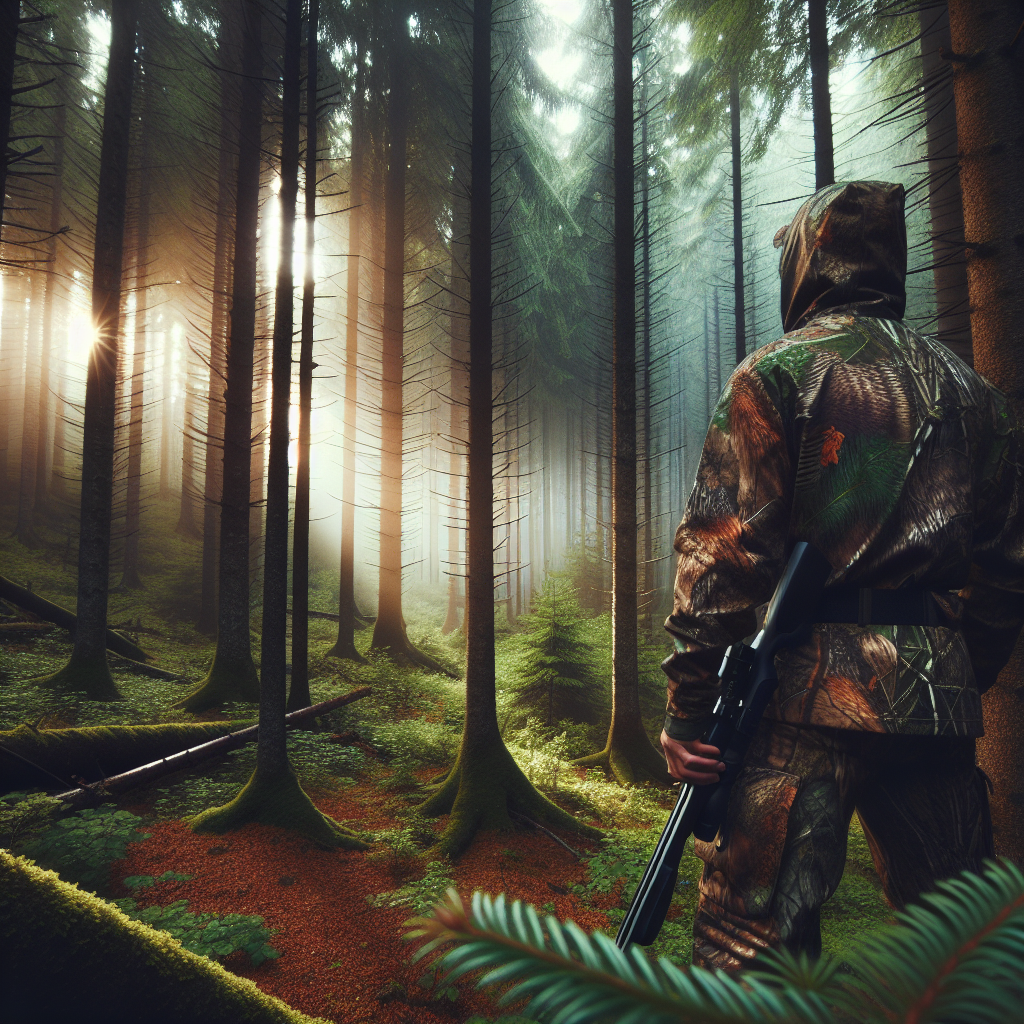
In forested areas, patterns that mimic the bark of trees, leaves, and undergrowth can be highly effective. These patterns often include a mix of greens, browns, and blacks. Brands like Realtree and Mossy Oak offer a variety of forest patterns that are specifically designed to blend into woodland settings.
Grassland and Open Terrain Patterns
For hunters operating in open fields or grasslands, lighter patterns that resemble tall grasses and sparse vegetation are ideal. These patterns typically use shades of tan, beige, and light green to match the natural tones of these environments.
Waterfowl and Wetland Patterns
Waterfowl hunters require patterns that not only blend with reeds and marshes but also resist water. Patterns like Max-5 or Wetlands are designed to mimic the colors and textures of reeds, mud, and water, providing effective concealment for duck and goose hunters.
Considerations for Different Seasons
The changing seasons bring about variations in the landscape, which can affect camouflage effectiveness. Understanding these changes and adapting your camouflage clothing accordingly can significantly improve your hunting success.
Spring and Summer Hunting
During the spring and summer months, when vegetation is lush and vibrant, patterns with more green tones are suitable. The challenge here is to match the bright greens and dense foliage that characterize these seasons.
Fall and Winter Hunting
Autumn hunting requires patterns that incorporate more browns, reds, and oranges to match the changing leaves. In winter, however, when snow covers the ground, hunters must switch to white or snow camo patterns to blend into the stark, barren landscape.
Material and Functionality
While the pattern is essential, the material of the camouflage clothing is equally important. It should not only provide concealment but also offer comfort, protection, and utility.
Breathability and Moisture Management
Hunting can be physically demanding, requiring clothing that breathes well and wicks moisture away from the skin. Fabrics like polyester and merino wool are popular choices for their moisture-wicking properties and comfort.
Weather Resistance
Weather conditions can change rapidly, so having weather-resistant clothing is crucial. Waterproof or water-resistant materials are essential for wet environments, while insulated clothing is necessary for cold weather hunting.
Noise Reduction
The quietness of the material is another critical factor. Fabrics that rustle or make noise can alert animals to your presence. Soft, silent materials like fleece or brushed cotton are excellent choices for staying stealthy.
Layering for Versatility
Layering is a strategy that offers versatility and adaptability to changing weather and activity levels. It allows hunters to add or remove layers according to the temperature and their exertion level.
Base Layers
The base layer should be moisture-wicking to keep the skin dry. Look for materials like merino wool or synthetic blends that provide both warmth and breathability.
Mid Layers
The mid layer serves as insulation. Fleece or down jackets are excellent choices that offer warmth without adding bulk.
Outer Layers
The outer layer should protect against wind, rain, and other environmental factors. A good camouflage jacket that is both waterproof and breathable is indispensable.
Additional Camouflage Accessories
Beyond clothing, several accessories can enhance a hunter’s camouflage and help them stay concealed.
Face and Hand Coverings
Exposed skin can reflect light and alert animals. Face masks, balaclavas, and gloves in matching camouflage patterns are essential for complete concealment.
Footwear
Boots should not only match the terrain but also provide comfort and support. Waterproof boots are crucial for hunting in wet conditions, while insulated boots are necessary for cold weather.
Ghillie Suits
For those who need maximum concealment, ghillie suits offer the ultimate camouflage. These suits are designed to mimic heavy foliage and can be customized to match specific environments.
Conclusion: The Art of Disappearing
Mastering camouflage clothing for hunting is an art that requires knowledge, practice, and adaptability. By understanding the science behind camouflage, selecting the right patterns and materials, and considering environmental factors, hunters can significantly increase their chances of success. Whether it’s choosing the perfect pattern for your hunting terrain or layering effectively for temperature control, every detail matters. With the right approach and gear, hunters can truly become one with their surroundings, enhancing their stealth and ensuring a fruitful hunt.
“`
Share this content: